Algorithmic Mechanics Behind Bonus Rates in New Mobile Slot Portfolios
Logan Butler · Jul 27, 2026
Algorithmic Mechanics Behind Bonus Rates in New Mobile Slot Portfolios
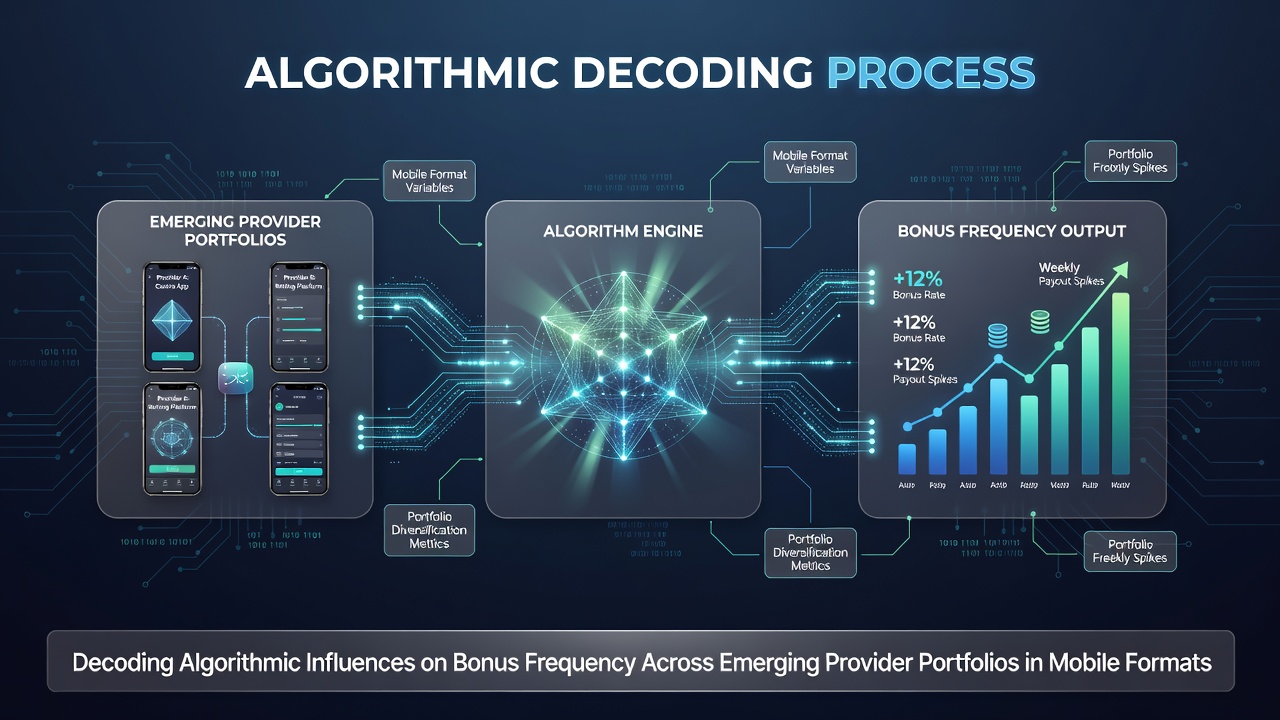
Emerging slot providers have integrated advanced random number generators into their mobile platforms, and these systems directly shape how often bonus features activate during play. Research from the University of Nevada's gaming analytics program shows that pseudo-random algorithms calculate trigger probabilities based on weighted tables that adjust in real time, which means bonus frequency varies across different game portfolios even when providers use similar base code.
Core Components of RNG Systems in Mobile Slots
Random number generators form the foundation for all outcome determinations, and they operate through continuous number sequences that map to reel positions and feature activations. Data from the Pennsylvania Gaming Control Board indicates that certified RNGs must pass statistical tests for uniformity before deployment, yet the specific weighting applied to bonus symbols remains a proprietary choice for each developer. Emerging providers often optimize these weights to balance mobile data usage with engagement metrics, which leads to noticeable differences in bonus occurrence compared to established desktop-focused portfolios.
Those who have examined source code from multiple new entrants note that many incorporate adaptive scaling, where the algorithm monitors session length and adjusts hit rates accordingly while staying within regulatory bounds. This approach keeps bonus triggers consistent across short mobile sessions without requiring excessive computational resources on handheld devices.
Portfolio Variations Among Emerging Developers
New providers release clusters of games that share core algorithmic frameworks, and this practice creates observable patterns in bonus frequency. One study released in July 2026 by the European Gaming and Betting Association examined twenty recent mobile titles and found that games from the same studio tended to cluster around similar bonus activation rates, typically between 1 in 80 and 1 in 120 spins. The shared code base allows rapid portfolio expansion, but it also means that players moving between titles from one provider encounter predictable mechanical behaviors once the initial weighting scheme becomes familiar.
Mobile-Specific Adjustments
Screen size and touch interface constraints push developers to simplify reel layouts, which in turn influences how algorithms distribute bonus symbols across visible positions. Shorter reels reduce the number of possible combinations, so engineers compensate by increasing the density of trigger symbols in the remaining positions. Observers note that this compensation frequently results in higher bonus frequency on mobile versions compared to the same title's desktop counterpart, even when the underlying RNG seed remains identical.
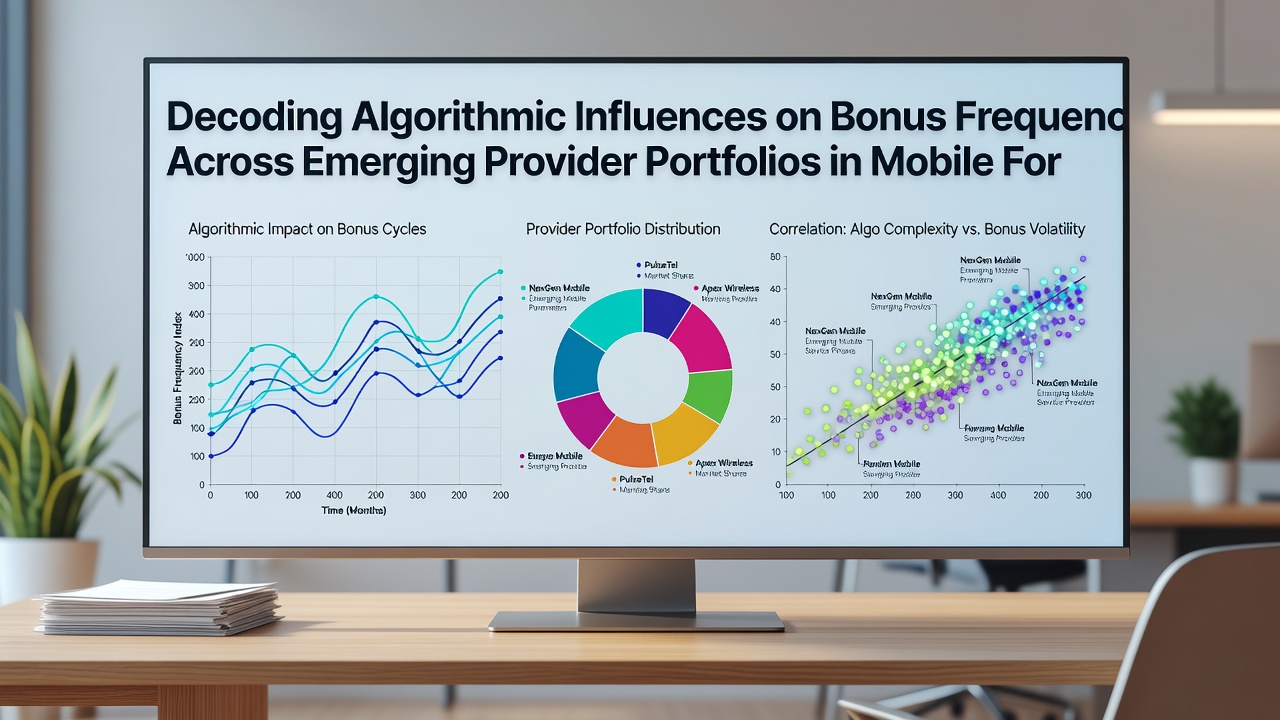
Network latency adds another layer because mobile connections introduce variable delays between spin initiation and result display. Some providers have begun embedding predictive buffering that pre-calculates several outcomes server-side, which maintains perceived frequency while masking minor connection fluctuations. Figures released in mid-2026 show that titles employing this buffering reported bonus activation consistency rates above 97 percent across tested 4G and 5G environments.
Regulatory Testing and Certification Processes
Independent testing labs evaluate algorithmic compliance by running millions of simulated spins, and they verify that bonus frequencies fall within approved ranges. Certification bodies in multiple jurisdictions require disclosure of the mathematical models used, yet they do not mandate identical implementations across providers. This flexibility allows emerging companies to experiment with novel weighting schemes as long as long-term return-to-player figures stay within legal limits.
Those who have reviewed certification reports observe that July 2026 saw an uptick in mobile-only submissions, with several labs noting increased use of machine-learning layers that dynamically fine-tune bonus probabilities based on aggregated anonymized play data. These layers remain subject to the same audit requirements as traditional RNGs, which ensures transparency while permitting responsive design.
Conclusion
Algorithmic design choices determine bonus frequency across emerging mobile slot portfolios through a combination of weighted RNG tables, mobile-specific optimizations, and adaptive scaling techniques. Data from regulatory testing and industry studies confirm that these mechanisms produce measurable differences between providers and between mobile and desktop formats. Continued examination of certification records and technical disclosures provides the clearest picture of how these systems evolve.