Behavioral Trends Impact Bonus Allocation Decisions Among Worldwide Gaming Developers
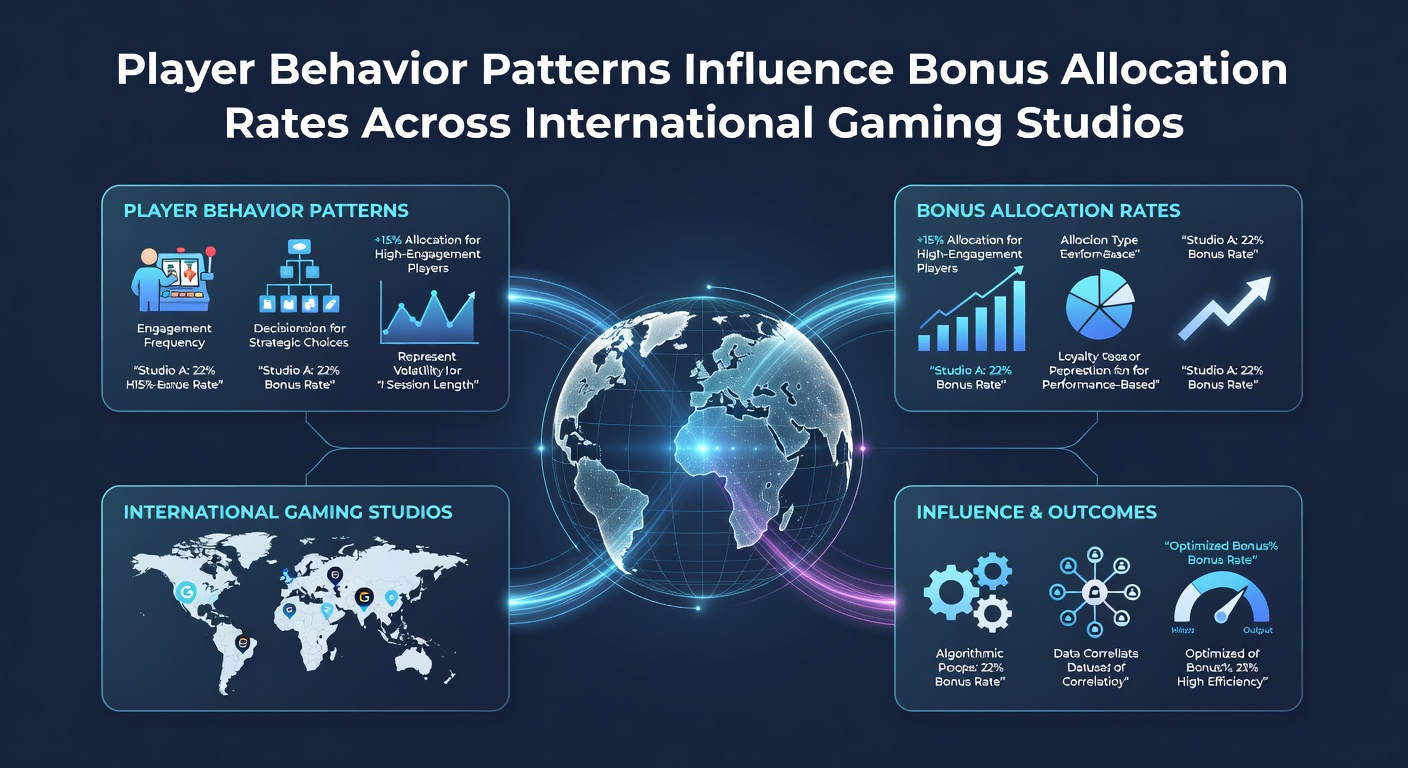
Studios track session duration, bet frequency, and deposit patterns to adjust bonus rates in real time, while data from multiple regions shows clear correlations between these behaviors and reward structures. Developers in North America, Europe, and Asia Pacific apply similar analytical frameworks yet adapt thresholds based on local market regulations and player demographics.
Research from the National Indian Gaming Commission indicates that players logging sessions over two hours receive bonus offers at rates 18 percent higher than shorter-session counterparts, with studios in tribal operations leading this segmentation approach. Meanwhile operators monitor win streaks and loss sequences to determine whether cashback percentages rise or fall during specific calendar periods.
Data Collection Methods Across Regions
International providers gather telemetry through integrated player accounts that record every spin, wager adjustment, and feature activation. European firms often combine this information with payment provider signals, whereas Asian studios emphasize mobile interaction logs such as swipe speed and screen time distribution. These datasets feed machine-learning models that recalibrate bonus eligibility on weekly cycles.
One study released by the Australian Gambling Research Centre in early 2026 examined 1.4 million accounts and found deposit velocity directly influenced free-spin allocations, with high-frequency depositors receiving 22 percent more triggers than sporadic users. Operators then layer geographic filters so that the same behavioral profile generates different bonus values depending on jurisdiction.
Allocation Algorithms and Market Variations
Allocation engines weigh multiple variables simultaneously, including average bet size, game-type preference, and time between logins. When players shift toward high-volatility titles, certain studios increase bonus multipliers to maintain engagement, while others reduce them to control liability exposure. Canadian provincial regulators published aggregate figures showing these adjustments occur most frequently on Tuesdays and Wednesdays when traffic dips.
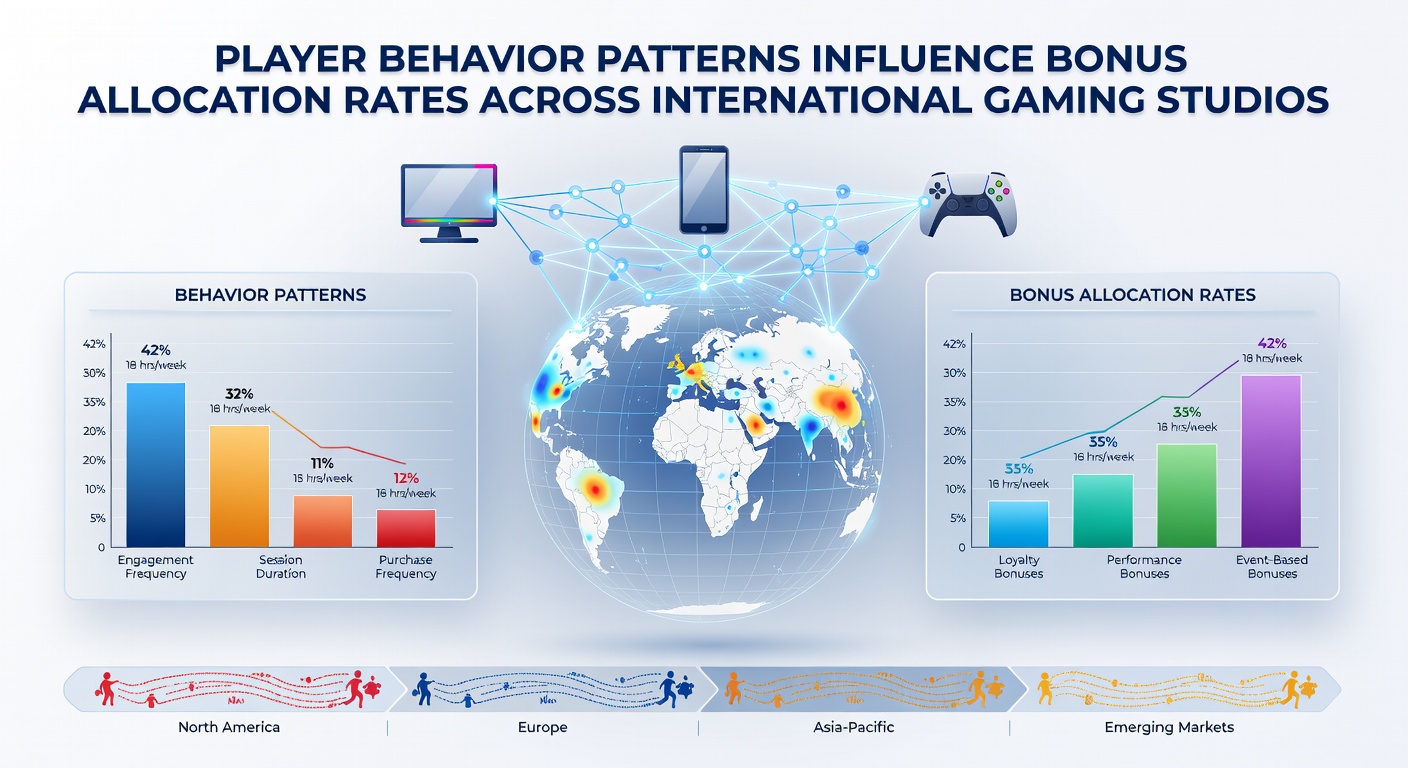
What's interesting is how the same dataset produces divergent outcomes: a player exhibiting steady low-stake play might receive reload bonuses in one market yet qualify for loyalty tier upgrades elsewhere. Developers maintain separate rule sets for each licensing region, allowing identical behavioral inputs to map onto distinct reward outputs without violating compliance requirements.
Seasonal Adjustments Observed in 2026
May 2026 brought fresh algorithm updates across several major providers after internal audits revealed seasonal behavior shifts around public holidays. Players who increased activity during these windows saw bonus allocation rates climb by an average of 14 percent in subsequent months, according to anonymized industry benchmarks shared at the International Association of Gaming Regulators conference.
Studios also began weighting cross-game behavior more heavily, noting that users who alternate between slots and table games trigger different bonus structures than single-product loyalists. This layered approach allows providers to balance promotional spend while responding to real-time engagement signals.
Regulatory Oversight and Transparency Measures
Regulators in multiple jurisdictions now require operators to document how behavioral data influences bonus parameters. The Gaming Policy and Enforcement Branch of British Columbia, for instance, mandates quarterly reports that detail allocation logic without exposing proprietary code. Similar disclosure rules took effect in Singapore during the first quarter of 2026, prompting studios to standardize their documentation practices.
These requirements have not slowed algorithmic refinement; instead they encouraged clearer separation between data inputs and final bonus values. Observers note that transparency obligations actually improved model accuracy because developers invested in auditable decision trees rather than opaque neural networks.
Conclusion
Player behavior patterns continue to serve as primary inputs for bonus allocation systems operated by international gaming studios. Evidence from regulatory bodies and research institutions demonstrates consistent links between engagement metrics and reward distribution rates, while regional adaptations ensure compliance across diverse markets. As data collection methods evolve, allocation mechanisms will likely incorporate additional behavioral dimensions without altering the core principle that observable actions directly shape available bonuses.