Bonus Feature Mapping: How Mobile Developers Are Reshaping Digital Casino Mechanics

Developers continue to refine bonus structures that integrate directly into mobile interfaces, and patterns emerge when tracking these changes across multiple studios. Research from the American Gaming Association shows increased investment in features that adapt to smaller screens while maintaining core mechanics such as progressive multipliers and trigger-based rounds.
Early mobile bonus systems relied on simplified versions of desktop formats, yet recent shifts include touch-optimized selection screens and real-time adjustment of reward scales based on device orientation. Observers note that studios now prioritize seamless transitions between base game spins and bonus sequences without additional loading times.
Developer-Specific Approaches to Bonus Design
NetEnt introduced cascading reel bonuses that chain together in a single mobile session, while Play'n GO incorporated expandable reel grids that respond to player selections during free round segments. These modifications allow the same underlying mathematics to deliver varied visual feedback depending on screen size. Data from industry reports indicate that such adaptations correlate with longer average session durations on smartphones compared with earlier fixed-grid implementations.
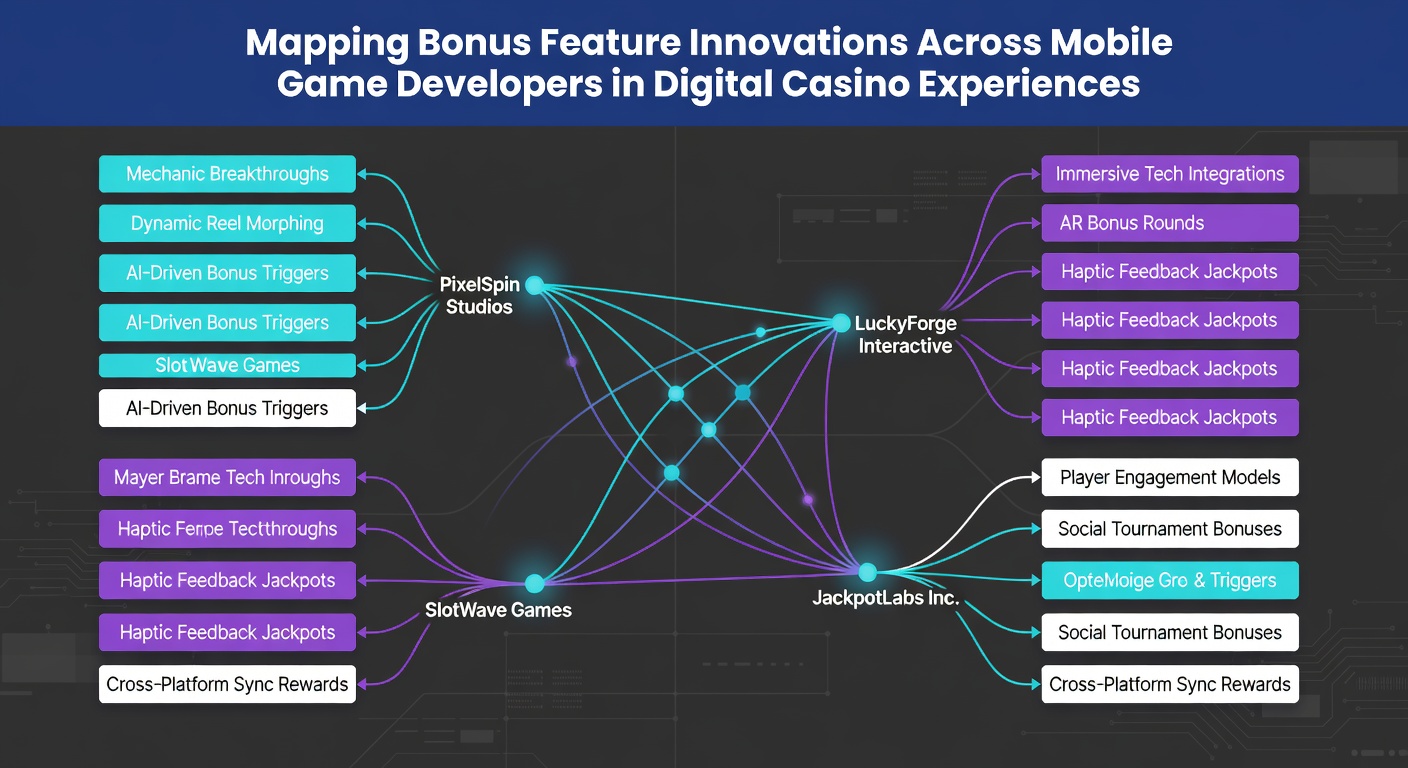
Pragmatic Play added bonus buy options that appear as contextual menus rather than separate pop-ups, reducing interruption on handheld devices. Big Time Gaming expanded its Megaways framework with modifier symbols that activate mid-bonus without requiring extra taps. Each studio's choices reflect different priorities in pacing and visual density, and comparative analysis reveals clear clusters of similar mechanics grouped by parent company development teams.
Integration of Mobile Hardware Capabilities
Accelerometer data now influences certain bonus outcomes in titles released after 2024, where tilting the device alters symbol drop patterns during feature rounds. Haptic feedback layers have been added to signal near-misses or multiplier increases, providing tactile cues that complement on-screen animations. Studies published by university gaming research groups document measurable differences in player response times when these sensory elements combine with standard visual triggers.
June 2026 brought several updates that further refined these integrations. Multiple providers released patches enabling bonus rounds to pause and resume across different devices without resetting accumulated multipliers, a change that aligns with observed increases in cross-device play sessions reported by Canadian gaming industry associations.
Patterns in Trigger Mechanisms and Reward Scaling
Scatter symbols remain central, yet placement algorithms now adjust density according to detected connection speed to prevent lag during critical reveal sequences. Multiplier ladders appear in stacked or progressive formats depending on the developer's portfolio focus, and some studios embed secondary mini-games that draw from accumulated base-game data rather than functioning as isolated events.
Regional regulatory updates outside the UK have influenced these designs. The Nevada Gaming Control Board documentation from early 2026 outlines requirements for transparent display of bonus probabilities on mobile interfaces, prompting developers to embed real-time information panels that update during feature play. Similar guidance from the European Gaming and Betting Association encourages clear labeling of feature costs and expected ranges, which several studios have incorporated into their mobile bonus menus.
Cross-Studio Comparisons and Shared Technologies
Shared engines appear in titles from related development groups, creating visible similarities in how bonus rounds handle reel expansions and symbol transformations. Independent studios differentiate through custom animation timing and variable trigger thresholds that scale with bet level. Analysts tracking release schedules note that features once exclusive to one provider often appear in modified form across competing portfolios within twelve months, driven by licensing agreements and middleware providers.
Testing protocols have tightened around mobile-specific variables such as battery drain during extended bonus sequences and touch accuracy on smaller reel grids. These technical constraints shape which innovations reach final release, and studios that optimize early in development cycles maintain broader distribution across app marketplaces.
Conclusion
Mapping these developments shows consistent movement toward hardware-aware designs that preserve mathematical integrity while adapting presentation layers for mobile constraints. Continued refinement in trigger logic, sensory integration, and cross-device continuity will likely define the next wave of updates as more developers align their bonus systems with evolving usage patterns.