Bonus Mechanics Through Time: The Role of Independent Studios in Mobile Slot Innovation
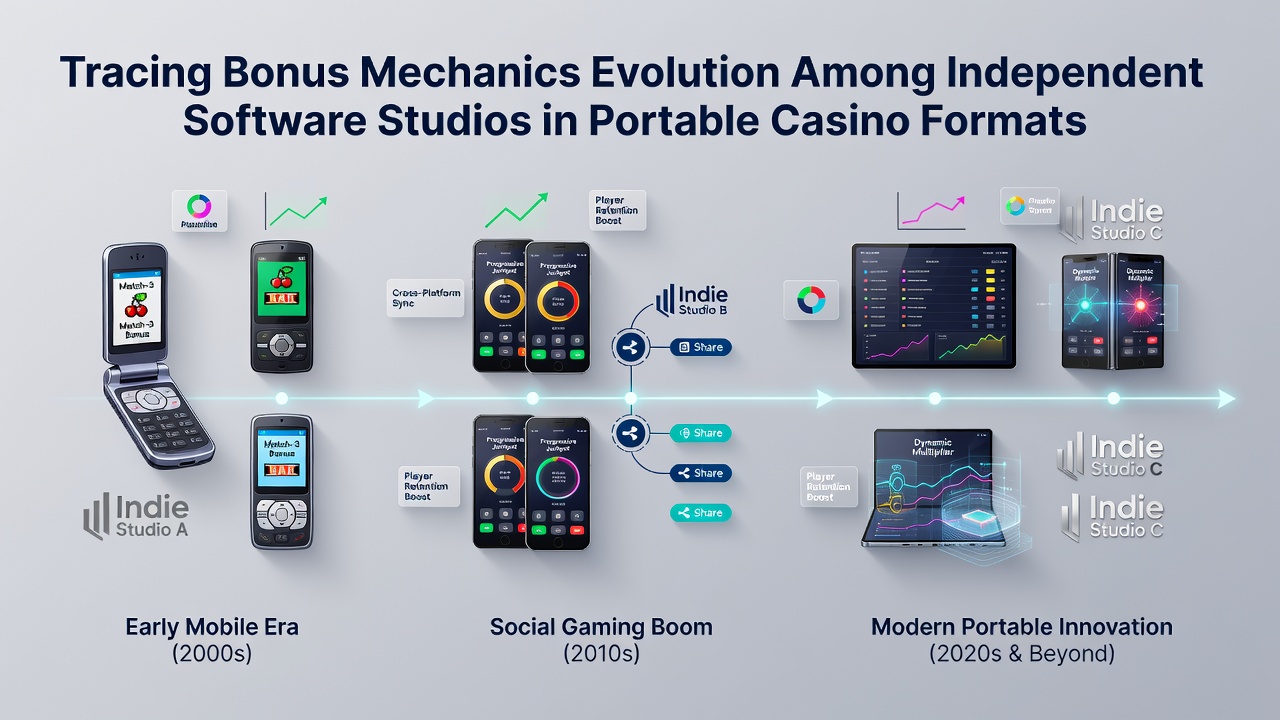
Independent software studios have played a central part in advancing bonus mechanics for portable casino formats since the early expansion of mobile gaming platforms, and their contributions continue to shape how these features operate across handheld devices in June 2026.
Early Foundations in Mobile Bonus Design
Portable casino formats began with basic bonus structures that mirrored land-based slot patterns, yet independent developers quickly introduced adaptations suited to smaller screens and touch interfaces, and these changes included simplified trigger conditions for free spin rounds along with initial multiplier applications that fit within data constraints of early smartphones. Research from the Canadian Gaming Association shows that between 2012 and 2016 many indie teams focused on reducing the number of symbols needed to activate bonuses while maintaining payout percentages comparable to desktop versions, and this approach allowed smaller studios to compete without requiring extensive server resources.
One notable development came when certain independent groups integrated pick-and-click elements that responded directly to tap gestures, whereas larger publishers at the time relied more on automated sequences, and this distinction helped indie offerings gain traction among users who preferred interactive elements during bonus phases.
Expansion of Layered Bonus Systems
By the late 2010s independent studios expanded bonus mechanics to include cascading reels paired with progressive multipliers that built across consecutive spins, and these systems appeared in titles designed specifically for mobile data environments where session lengths averaged under fifteen minutes according to industry usage reports. Data from the Nevada Gaming Control Board indicates that such features contributed to higher engagement rates in regulated markets because they delivered frequent small rewards within bonus rounds without extending playtime beyond typical mobile attention spans.
Independent developers also experimented with hybrid triggers that combined scatter symbols with reel position requirements, while established studios maintained more traditional activation methods, and this experimentation produced mechanics like expanding wilds that triggered only during specific bonus stages rather than throughout base gameplay. Observers note that these layered systems required careful calibration to preserve return-to-player consistency across varying connection speeds common in portable formats.
Integration of Progressive and Community Elements
Independent software studios introduced community-linked bonus features into mobile slots around 2020, and these allowed multiple users to contribute toward shared jackpot pools that activated through portable devices, with mechanics such as random bonus qualifiers distributed across sessions. A study published by the University of Nevada Reno examined how these shared elements affected player retention patterns and found measurable increases in repeat sessions when bonus contributions carried over between devices.
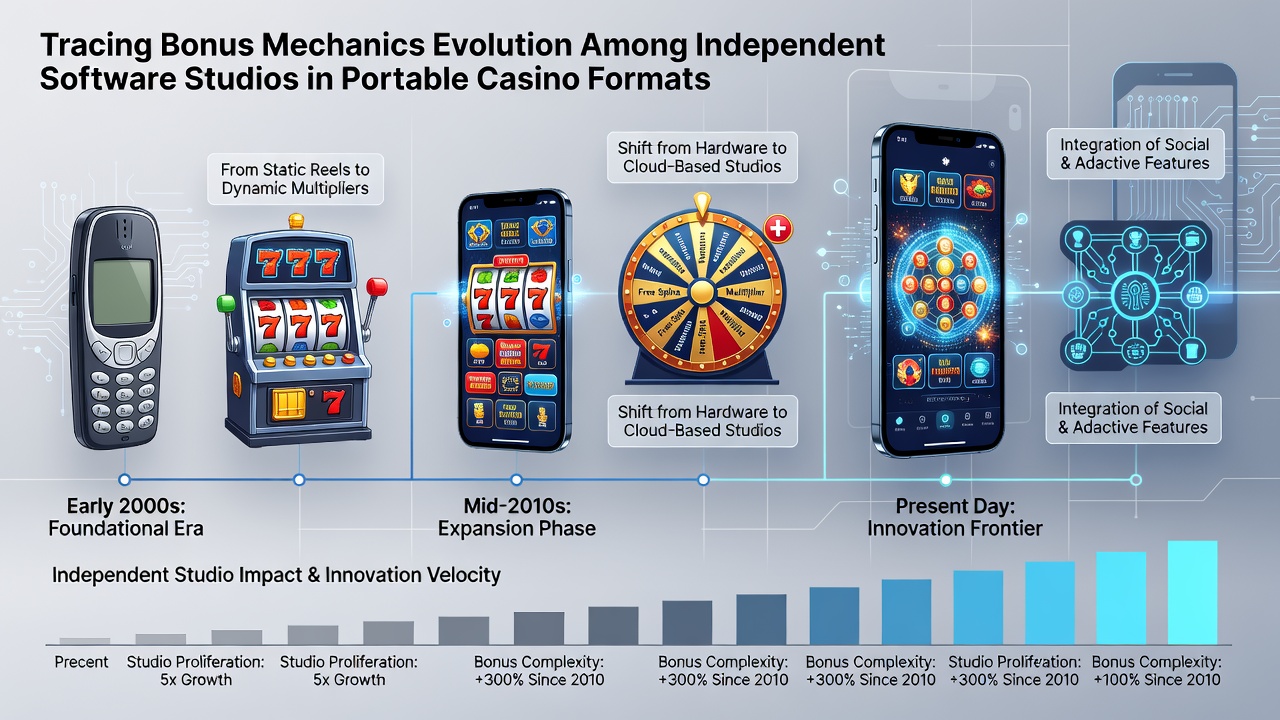
Further refinements included time-limited bonus events that reset daily and required no additional stake, and several indie teams incorporated these into existing free spin structures to create extended play sequences without raising volatility beyond established thresholds. Figures from the European Gaming and Betting Association reveal that by mid-2023 over sixty percent of new mobile titles from independent sources incorporated at least one form of shared or time-based bonus component.
Current Developments in June 2026
As of June 2026 independent studios continue refining bonus mechanics through modular designs that permit operators to customize trigger frequencies and reward tiers based on regional preferences, and this flexibility stems from earlier work on scalable code frameworks optimized for cross-platform deployment. Those who've tracked these changes observe that recent updates emphasize seamless transitions between base game and bonus states to minimize loading delays on mid-range mobile hardware still prevalent in many markets.
Additional focus has centered on variable multiplier ladders that adjust dynamically according to total bet size during bonus activation, whereas previous iterations used fixed scales, and this adjustment aligns with data showing varied spending behaviors across different portable user demographics. Independent developers have also tested bonus rounds that incorporate simple decision trees presented through swipe gestures, maintaining compatibility with older operating systems while adding depth to reward selection without increasing computational demands.
Conclusion
The progression of bonus mechanics in portable casino formats reflects sustained input from independent software studios that prioritized technical efficiency and user interaction patterns suited to mobile environments, and these efforts have produced systems that balance complexity with accessibility across diverse device capabilities. Continued documentation of these changes provides insight into how smaller development teams influence feature standards that larger publishers later adopt or modify for their own releases.