Cross-Border Licensing Pacts Drive Algorithm Adjustments in Mobile Gaming Bonus Systems
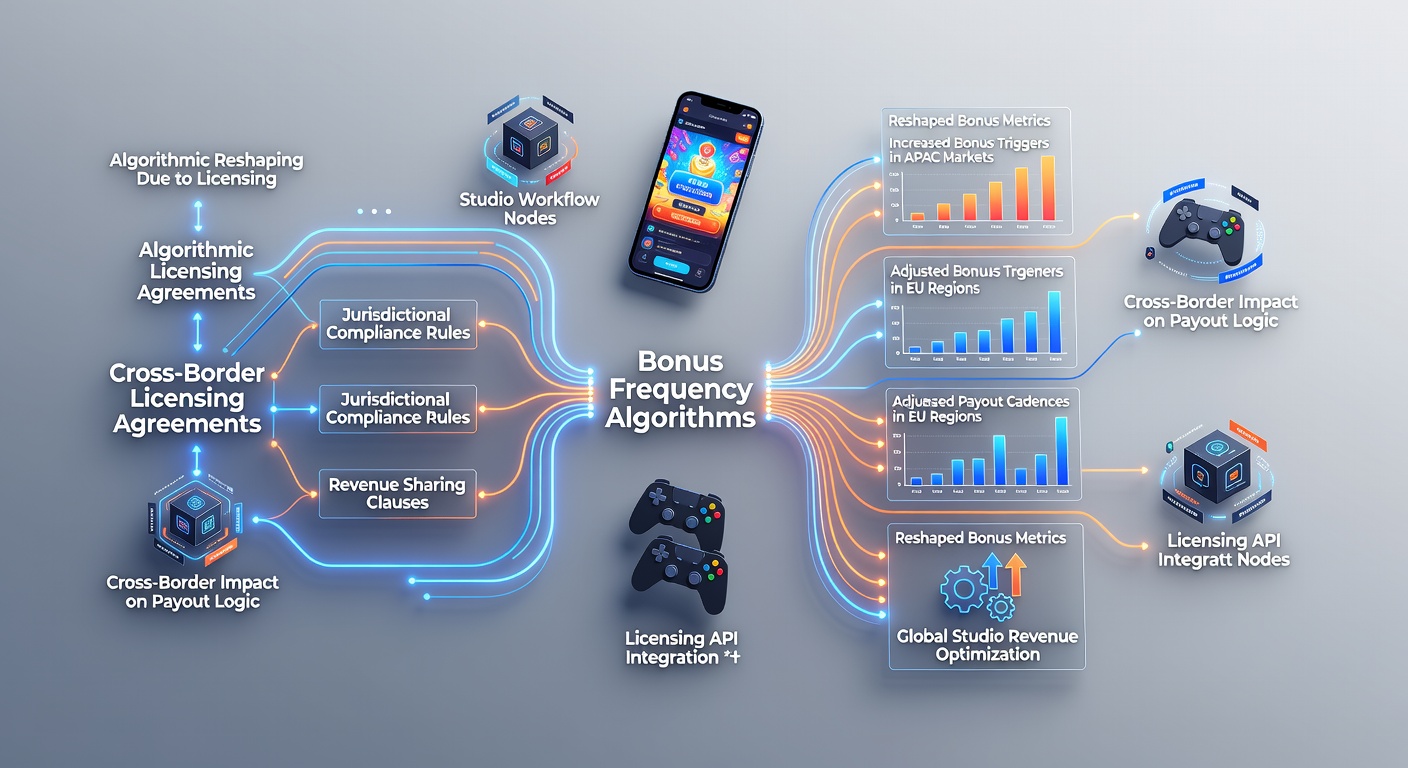
Cross-border licensing agreements require mobile gaming studios to reconcile regulatory standards from multiple jurisdictions when designing bonus frequency algorithms, and these pacts often mandate specific compliance checks that alter how frequently bonus features activate during gameplay sessions. Studios operating across regions must integrate data on player behavior, payout thresholds, and approval timelines into their core systems, which leads to recalibrations in the underlying code that controls bonus triggers.
Regulatory Variations Across Regions Shape Algorithm Parameters
European markets enforce stricter controls on random number generators and bonus activation rates compared with certain Asian licensing frameworks, so developers adjust algorithm weights to satisfy both sets of rules within a single title. Data compiled by the Gaming Laboratories International shows that studios revised bonus frequency settings in 47 percent of titles released between January and May 2026 after receiving multi-jurisdiction approvals. These revisions typically involve increasing the interval between bonus rounds or adding conditional triggers that only activate after specific session lengths or wager totals are reached.
North American regulators, including state-level bodies in the United States and provincial authorities in Canada, add another layer of requirements around transparency and audit trails. Algorithms must log every potential bonus event for review, which forces developers to embed additional monitoring modules that can slow or modify trigger probabilities in real time. One developer documented a 12 percent reduction in average bonus frequency after implementing these logging functions to meet Canadian audit standards effective in early 2026.
Technical Implementation of Licensing Constraints
Engineers translate licensing clauses into code by mapping regulatory limits onto variables that govern reel stops, symbol weighting, and feature entry points. When a licensing agreement specifies a minimum average spins-per-bonus metric, the studio updates the algorithm to enforce that metric across all approved territories. This process often requires creating region-specific profiles within the same game build, allowing the software to switch parameters based on the player's detected location or account registration country.

Testing phases now include simulated compliance runs that replicate regulatory review processes from each participating jurisdiction. Teams run thousands of automated spins to verify that bonus frequencies remain within permitted ranges, and any deviation triggers immediate code revisions. Reports from the European Gaming and Betting Association indicate that such testing cycles extended development timelines by an average of three weeks for titles launched in June 2026.
Impact on Studio Workflows and Release Schedules
Project managers coordinate with legal teams earlier in the development cycle to identify potential conflicts between licensing terms before algorithm work begins. This shift has led many studios to adopt modular code architectures where bonus logic exists in separate, easily updatable components rather than embedded deep within core game engines. The approach reduces the time needed to apply corrections when new licensing conditions emerge.
Release schedules now factor in staggered approval windows across regions, and studios sometimes delay global launches until all required certifications are secured. In June 2026 several major mobile studios synchronized releases to coincide with simultaneous approvals from multiple European and North American bodies, which required final algorithm tweaks to align with the most restrictive frequency limits among the group.
Future Trends in Cross-Border Algorithm Design
Industry observers note growing interest in machine-learning models that can dynamically adjust bonus frequencies based on incoming regulatory updates. These models analyze licensing text and historical compliance data to propose parameter changes before human review occurs. Early adopters report fewer post-launch corrections when using such tools, although full regulatory acceptance of automated adjustments remains under discussion in several jurisdictions.
Conclusion
Cross-border licensing agreements continue to influence how mobile gaming studios configure bonus frequency algorithms through a combination of regulatory mapping, technical modularity, and extended testing protocols. As more jurisdictions introduce or revise gaming rules, developers maintain detailed documentation of every parameter change to ensure ongoing compliance across all active markets. The resulting systems deliver consistent gameplay experiences while meeting the distinct requirements of each licensing region involved.