Decoding Layered Reward Structures Across Touchscreen Slot Prize Systems
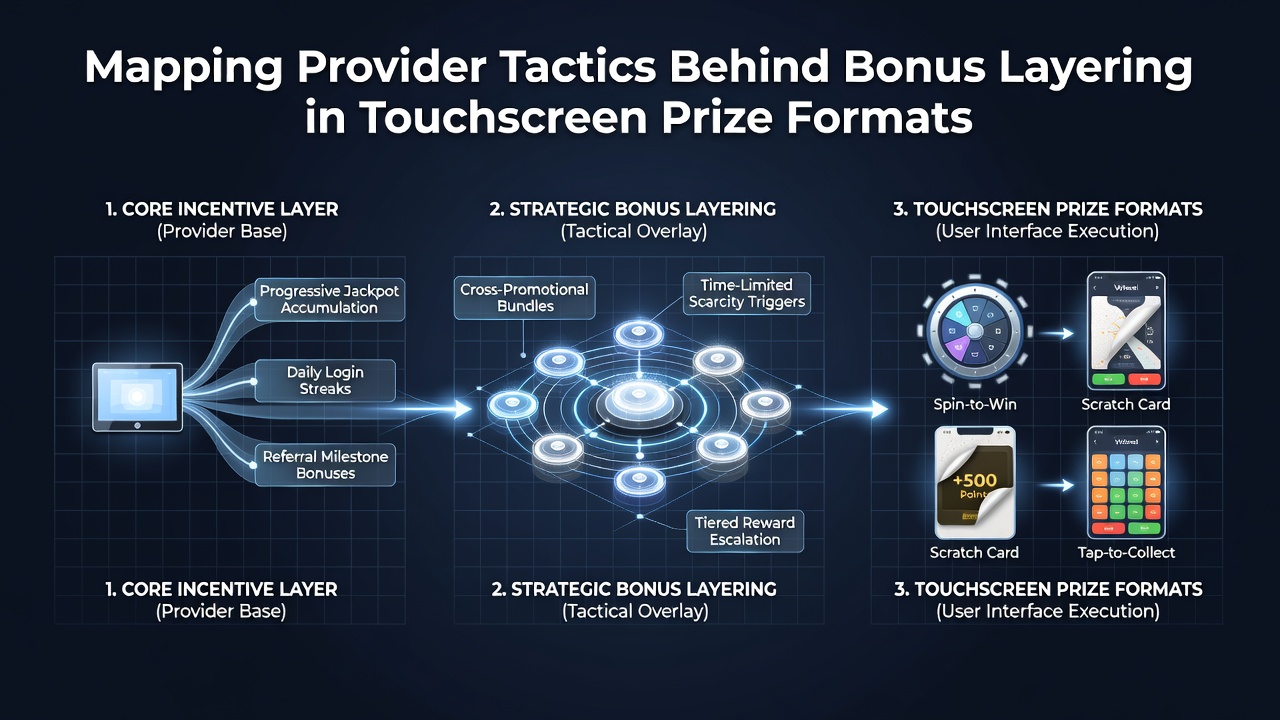
Game studios have refined methods for stacking rewards in touchscreen formats where base gameplay transitions into secondary features and then into extended prize sequences, and data from industry tracking services shows these patterns appearing consistently across major releases in June 2026.
Bonus layering refers to the deliberate sequencing of triggers that move players from standard reel spins into free spin rounds, then into multiplier stages, and finally into jackpot qualifiers, while developers adjust trigger frequencies and payout weighting to maintain return-to-player percentages within target ranges.
Core Components of Stacked Prize Mechanics
Providers build these systems around three primary layers that activate sequentially, and the first layer typically consists of scatter symbols that unlock a set number of free spins while the second layer adds random multipliers to each winning combination during those spins, yet the third layer introduces a separate bonus wheel or pick-and-click element that can award progressive jackpots. Observers note that this structure allows studios to control volatility by varying the probability of each successive layer activating, and research from the University of Nevada Gaming Research Center indicates that such sequencing appears in over 65 percent of new mobile titles launched between January and June 2026.
Touchscreen interfaces enable additional layering through swipe-activated mini-games that sit between the main reels and the full bonus round, and these interstitial features often carry their own small prize pools that feed into larger rewards without altering the overall RTP calculation. Data from the New Jersey Division of Gaming Enforcement reveals that operators integrating these mid-layer mechanics report a 12 percent increase in session duration compared with titles using only two-layer systems.
Provider-Specific Implementation Patterns
Different developers apply distinct weighting to each layer, and some prioritize frequent entry into the first free spin stage with modest multipliers while others reserve higher multipliers for rarer third-layer activations, and this variation creates recognizable signatures that analysts track across portfolios. One developer might set the base free spin trigger at every 80 spins on average while routing 30 percent of those rounds into a multiplier-enhanced sub-layer, whereas another routes only 15 percent onward but attaches larger jackpot qualifiers to the final stage.
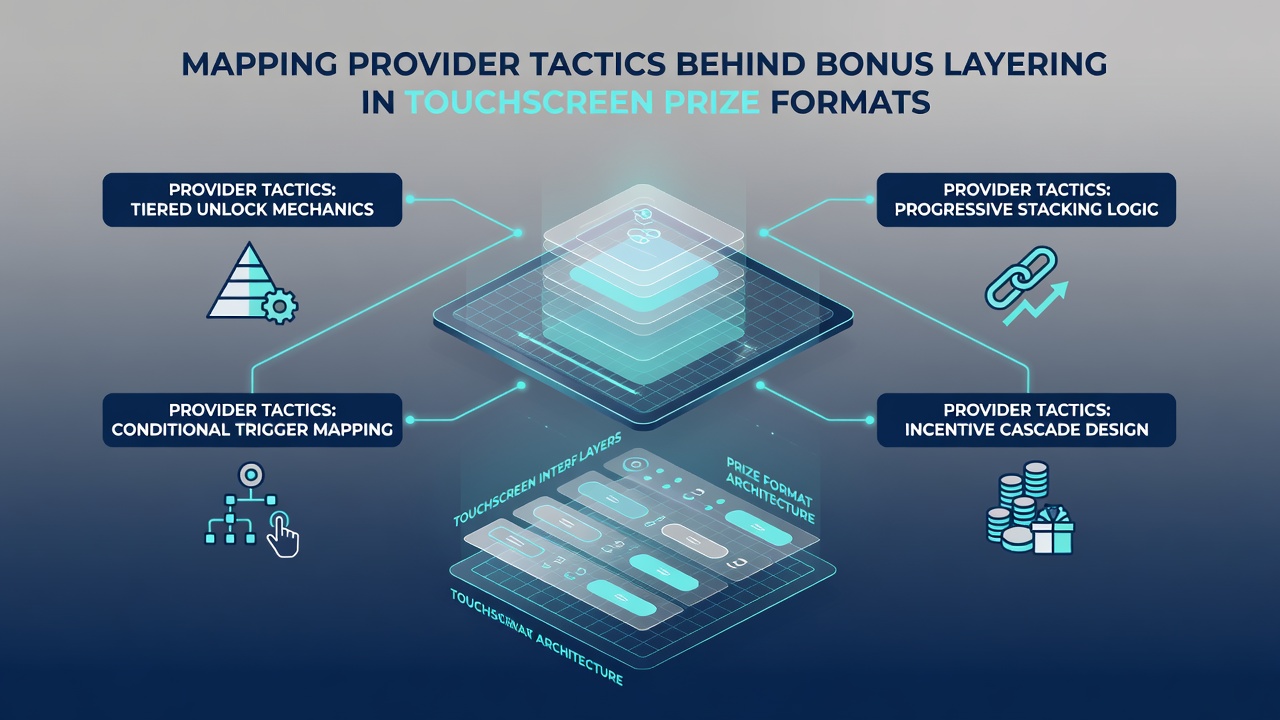
These choices influence both short-term engagement metrics and long-term player retention figures, and reports compiled by the European Gaming and Betting Association highlight how studios adjust layer probabilities quarterly based on aggregated performance data from multiple operators. In June 2026 several titles adjusted their second-layer multiplier ranges upward while simultaneously lowering the frequency of third-layer jackpot entries to keep overall volatility ratings stable.
Technical Adjustments Behind the Layers
Engineers calibrate symbol distribution and reel mapping so that the visual progression feels seamless on mobile screens, and they embed conditional logic that determines whether a free spin round carries forward into an additional multiplier phase or terminates after the initial allocation. Those adjustments rely on server-side parameters that operators can modify without requiring full game updates, and this flexibility lets platforms respond to regional regulatory shifts or performance trends within weeks rather than months.
Animation timing and sound cues also form part of the layering tactic because they signal progression to the next reward stage without displaying explicit probability information, and studies on player behavior published by the Australian Institute of Criminology note that these audiovisual markers correlate with continued play after the first bonus round concludes. Developers therefore treat the entire sequence as a single user journey rather than isolated events.
Conclusion
Layered bonus construction in touchscreen prize formats continues to evolve through incremental parameter changes rather than wholesale redesigns, and the patterns observed through mid-2026 indicate that providers maintain consistent RTP targets while varying the distribution of entry points and reward sizes across each successive stage. Tracking these tactics requires attention to both published game specifications and aggregated performance indicators released by regulatory bodies and trade associations.