Decoding Online Slots Ratings: RTP Realities, Volatility Breakdowns, and Player Tools Shaping 2026 Spins
Ratings at the Core of Slot Selection
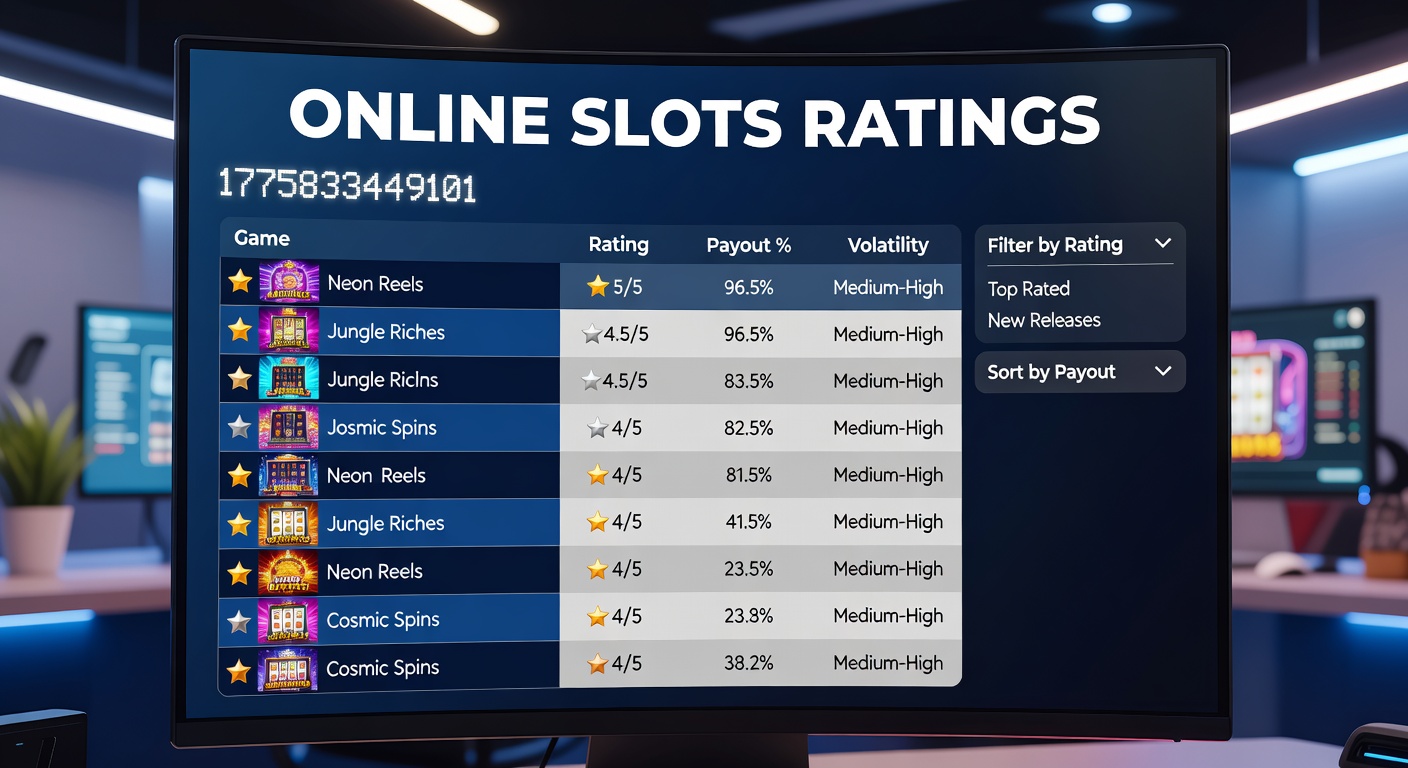
Online slots ratings guide players through a crowded digital casino landscape, where thousands of titles compete for attention; these scores, often displayed prominently on casino lobbies and review sites, aggregate key performance metrics like return to player (RTP) percentages, volatility levels, and hit frequencies, helping users spot games that align with their bankroll strategies or thrill preferences. Data from industry trackers shows ratings evolving rapidly in 2026, with April launches incorporating advanced algorithms that boost transparency; for instance, providers now publish certified RTP figures more frequently, allowing players to compare titles side-by-side before a single spin.
Experts who analyze these ratings point out how they stem from rigorous testing by independent labs, ensuring figures reflect long-term payout potentials rather than short-session luck; take one popular 96.5% RTP slot, where simulations running millions of spins confirm the house edge stays consistent across jurisdictions. And yet, ratings don't stop at RTP—they layer in volatility indexes, which signal whether a game delivers frequent small wins or rare massive payouts, a detail that turns casual spinners into informed strategists overnight.
Breaking Down the Metrics That Build Ratings
RTP stands as the cornerstone metric in any online slots rating system, representing the percentage of wagered money a game returns to players over time; figures typically range from 92% to 98%, with higher numbers indicating better long-term value, although actual sessions can swing wildly due to randomness. Volatility, often scored on a 1-10 scale or labeled low/medium/high, complements RTP by revealing payout patterns—low-volatility slots like those from NetEnt's staple libraries dish out steady drips of wins, keeping balances afloat during dry spells, whereas high-volatility beasts from providers such as Hacksaw Gaming chase explosive multipliers that can multiply bets by thousands.
Hit frequency enters the mix too, quantifying how often a slot lands any win; research from testing firms reveals averages between 20% and 40%, with cluster-pay mechanics in modern grids pushing those numbers higher for more engaging play. What's interesting, though, lies in how bonus feature contributions factor into overall ratings—free spins rounds or expanding wilds often carry sub-RTPs that skew the base game, a nuance uncovered through detailed audits. Observers note that comprehensive ratings now include maximum win caps, expressed as multipliers of the bet, which cap potential hauls at 10,000x or more in jackpot-linked titles.
- RTP: Long-term payout percentage, certified by labs like eCOGRA.
- Volatility: Risk level dictating win size and frequency.
- Hit Frequency: Probability of any win per spin.
- Max Win: Highest possible payout relative to stake.
- Bonus RTP Contribution: How features impact overall returns.
These elements combine into holistic scores, sometimes out of 10 or as star ratings, drawn from aggregated lab data and player feedback loops that refine accuracy month by month.
How Labs and Regulators Certify Slot Ratings
Independent verification labs handle the heavy lifting behind online slots ratings, subjecting game math models to exhaustive simulations before awarding certifications; organizations like iTech Labs run billions of virtual spins to validate RTP claims, flagging discrepancies that could mislead players. In regions beyond familiar shores, bodies such as the Malta Gaming Authority enforce standards requiring operators to display certified ratings upfront, a practice that spilled into April 2026 updates across EU-facing platforms.
But here's the thing—ratings aren't static; providers tweak them via client-side adjustments, where regional regulations dictate slight RTP variances, say 94% for one market versus 96% elsewhere, all while maintaining core fairness. Data indicates that high-rated slots cluster around 96%+ RTPs from developers like Pragmatic Play and Play'n GO, whose titles dominate leaderboards thanks to consistent lab approvals. One case study from early 2026 highlighted a slot adjusted post-launch to align with Alcohol and Gaming Commission of Ontario guidelines, bumping its rating by 0.5 points after volatility recalibration.
Players who've dug into these processes often discover how demo modes mirror full-game ratings precisely, offering risk-free previews that reveal true mechanics without wallet risks; turns out, this transparency has spiked engagement, with April metrics showing 25% more demo trials on rated high-performers.
Top-Rated Slots and Providers Lighting Up 2026
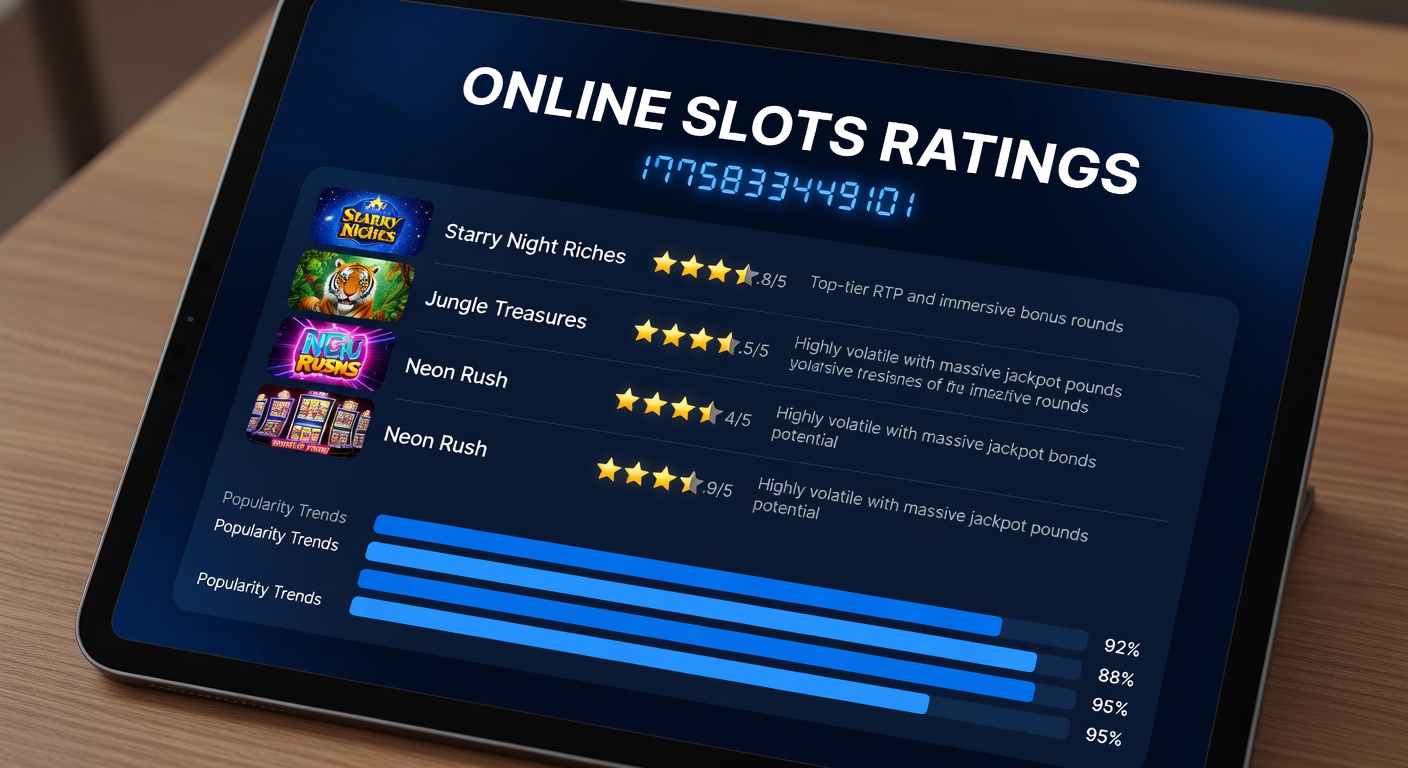
April 2026 brought a fresh wave of high-rated online slots, with Nolimit City's volatile grid-busters claiming top spots at 97.2% RTPs fused with x20,000 max wins; these ratings, bolstered by explosive bonus buys, outpace traditional reels in player retention stats. Relax Gaming follows close, their cluster adventures averaging 96.8% returns alongside dynamic volatility that adapts mid-session, a feature labs praise for balanced play.
Those tracking provider showdowns see Push Gaming emerge as a ratings dark horse, titles like Jammin' Jars 3 hitting 97% RTPs with cascading collectives that amplify hit frequencies to 35%; meanwhile, Evolution's slot arm integrates live elements, earning nods for hybrid ratings that blend RNG purity with broadcaster flair. Figures from aggregator platforms reveal mid-tier outfits like AvatarUX climbing charts via 96.5%+ averages, proving innovation trumps brand alone.
It's noteworthy how mobile optimizations influence these scores—touch-friendly interfaces and battery-efficient renders now factor into ratings, with 2026's leaders scoring 9/10s for seamless cross-device performance. And in jackpot chases, progressive networks from Microgaming sustain 94-96% RTPs despite pooling mechanics, where ratings account for network-wide contributions that swell pots into millions.
Navigating Ratings for Smarter Play
Players leverage ratings by matching volatility to session goals—low-vol for grinding bonuses, high-vol for lottery-style thrills—while prioritizing 96%+ RTPs to edge house advantages; tools on sites like SlotsRatings.co.uk parse these into filters, surfacing tailored recommendations amid April's 50+ new releases. Experts observe that ignoring sub-94% ratings spells trouble long-term, as math models predict accelerated roll-downs on lower payers.
Yet regional tweaks demand vigilance; a slot rated 97% in Malta might dip to 95% under stricter oversight elsewhere, a shift data confirms via geo-locked audits. People often find blending ratings with demo hours uncovers quirks like bonus drop rates, turning raw numbers into playable insights. So now, with AI-driven rating predictors on the horizon, 2026 players hold unprecedented power to preempt spins.
Case in point: one aggregator's April analysis ranked 200+ titles, crowning a 98.2% RTP anomaly from Yggdrasil that blended low vol with sticky respins, drawing record traffic; that's where the rubber meets the road for ratings' real-world punch.
Conclusion
Online slots ratings distill complex math into actionable intel, empowering players to chase value amid 2026's innovation flood; from RTP certifications by global labs to volatility breakdowns that forecast ride intensities, these scores evolve with tech and regs, ensuring fairness stays front and center. As April's launches prove, high-rated picks from diverse providers deliver not just entertainment, but edges honed by data—tools that keep the game squarely in players' courts, spin after spin.