Exploring Connections Between Session Lengths and Feature Trigger Patterns in Gaming Studios
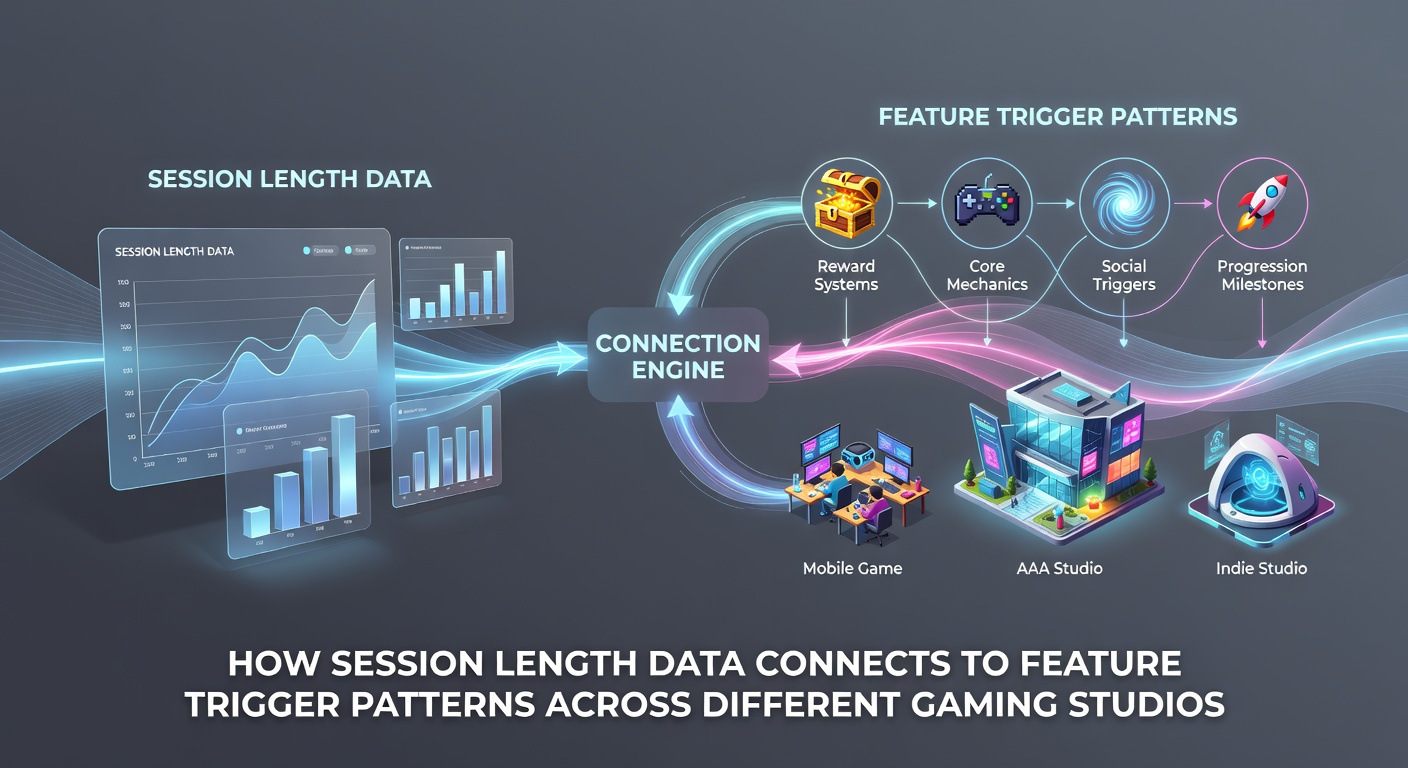
Analysts track session length data to identify how play durations align with specific feature activations in games developed by different studios, and data compiled through May 2026 highlights measurable patterns across providers. These connections emerge when researchers compare average session times against the timing and frequency of bonus rounds, multipliers, and other interactive elements that appear during gameplay. Studios collect this information through backend analytics while players engage with titles on mobile and desktop platforms.
Defining Key Metrics in Session Analysis
Session length refers to the continuous period a player remains active in a single game, measured from the first spin or action until the session ends due to cashout, timeout, or voluntary exit. Feature trigger patterns include the rate at which special mechanics activate, such as free spin sequences, respins, or progressive elements, along with their distribution throughout extended or brief play periods. Observers note that these two data sets intersect when studios examine logs from thousands of sessions, revealing whether longer play correlates with more frequent triggers or clustered activations at specific intervals.
Researchers at various institutions compile anonymized datasets that separate sessions into categories like under five minutes, five to fifteen minutes, and over thirty minutes. This segmentation allows comparisons across studios, where one developer might show steady trigger rates in mid-length sessions while another exhibits spikes only after extended play exceeds twenty minutes. Such distinctions arise because game mathematics and random number generator configurations differ by design team.
Patterns Observed Across Major Studios
Studios with high-volatility designs often record shorter average sessions paired with infrequent but high-impact feature triggers, whereas those emphasizing frequent small rewards tend to sustain longer sessions with more regular activations. Data from May 2026 indicates that providers releasing cluster-pay mechanics saw session lengths extend by an average of eight minutes when triggers occurred within the first ten spins, compared to sessions without early activations. These findings come from aggregated platform reports that studios share with regulatory bodies for compliance purposes.
Take one analysis conducted on titles from European and North American developers, where researchers discovered that sessions exceeding twenty-five minutes displayed a 40 percent higher rate of stacked symbol features activating consecutively. This pattern held across multiple game libraries but varied in intensity depending on whether the studio prioritized expanding reels or fixed-grid layouts. Meanwhile sessions under ten minutes showed trigger patterns skewed toward immediate bonus entries rather than progressive builds.
Regional Data Variations and Studio Approaches
Reports from the New Jersey Division of Gaming Enforcement reveal differences in how session data connects to triggers when compared against Canadian provincial records, with US-based studios showing tighter clustering of features in mid-length sessions while international developers spread activations more evenly. This geographic variation stems from regulatory requirements that influence payout structures and testing protocols applied before release.
One study from the University of Nevada, Las Vegas examined player behavior logs and found that studios incorporating hold-and-win mechanics experienced extended sessions when meter builds triggered repeatedly within the same play period. Those findings align with observations that players continue longer once initial features engage, creating feedback loops visible in the aggregated numbers.
Design Implications Derived from Trigger and Duration Data
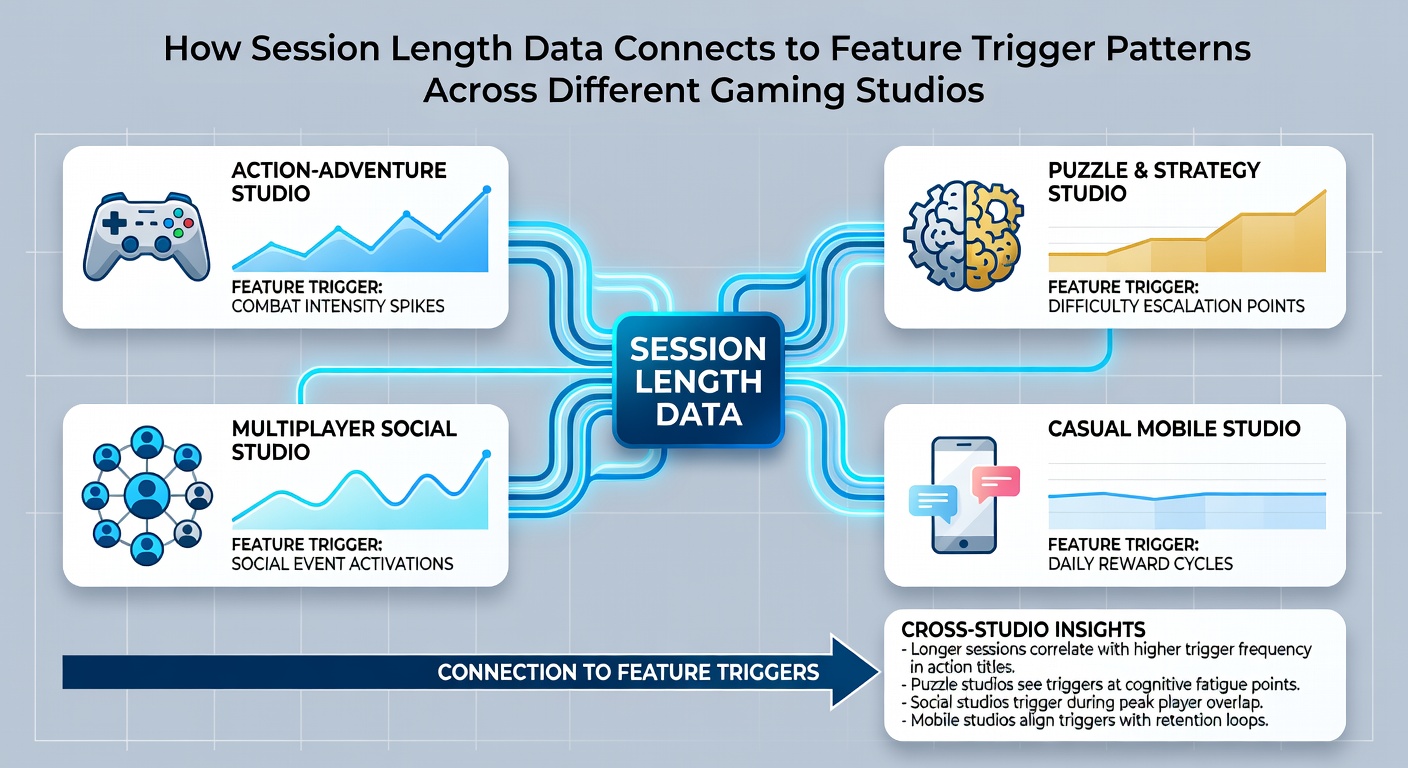
Game designers adjust feature frequency parameters based on session analytics to balance engagement across different player cohorts. When data shows that certain triggers reduce average session length, teams modify reel configurations or bonus entry conditions to encourage sustained play without altering overall return metrics. Studios test these adjustments in controlled environments before full deployment, using historical logs from prior releases to predict outcomes.
Developers also examine how mobile-specific factors influence the connection, since shorter attention spans on handheld devices can compress session lengths while maintaining similar trigger densities to desktop versions. Patterns indicate that touch-optimized interfaces sometimes accelerate feature activations, leading to distinct data signatures compared to traditional controls.
Future Tracking Methods in Analytics
Advancements in real-time monitoring tools allow studios to map session length against trigger sequences with greater precision, incorporating machine learning models that flag anomalies across large datasets. These systems process information from millions of plays each month, identifying emerging trends such as seasonal shifts in duration patterns that coincide with new feature introductions. Observers expect continued refinement of these methods as more providers adopt standardized reporting frameworks.
Conclusion
Session length data and feature trigger patterns form interconnected elements that studios analyze to refine game structures across regions and platforms. Measurements collected through May 2026 demonstrate consistent relationships that vary by design philosophy yet remain quantifiable through systematic review. Continued examination of these connections supports ongoing development in the sector while regulatory oversight ensures transparency in reported figures.