Mapping Design Strategies to Extended Retention Patterns in Digital Slot Games
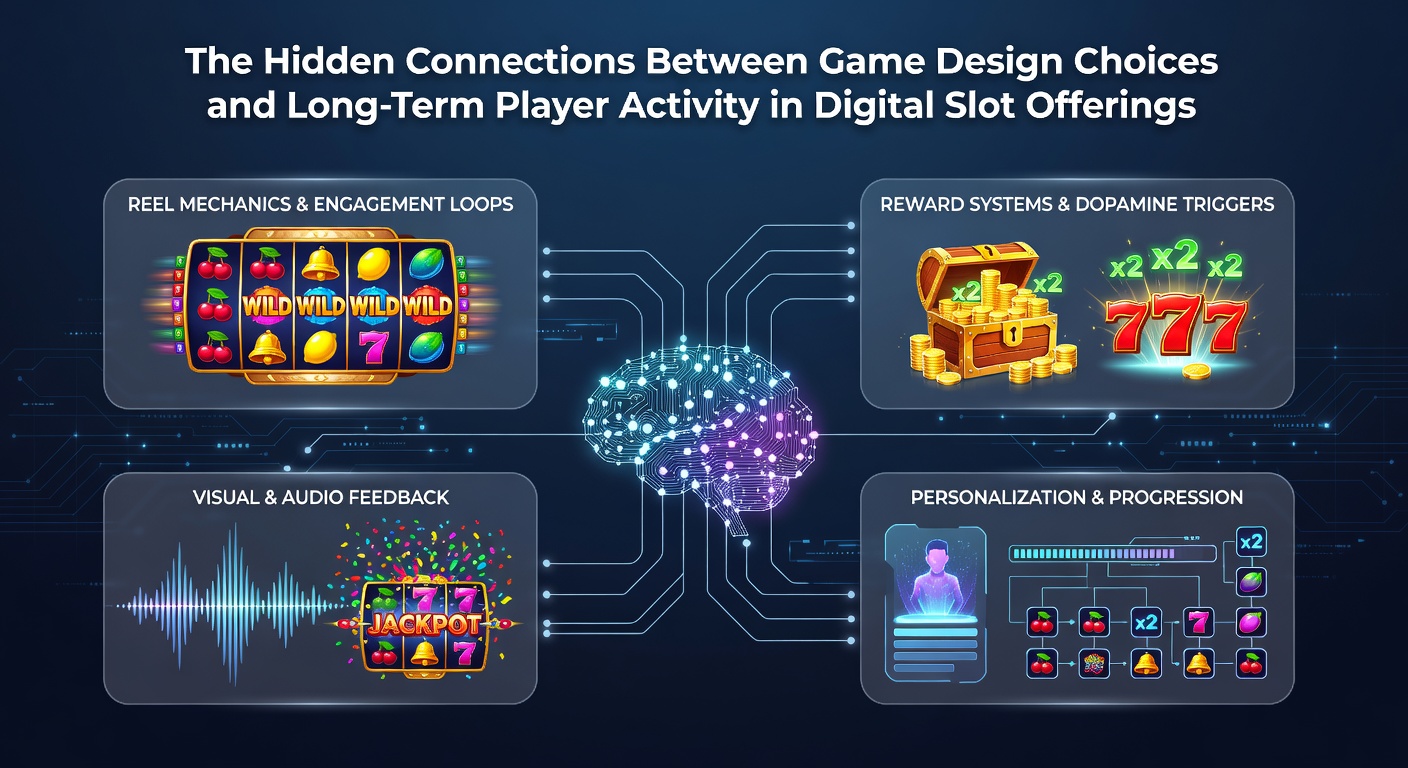
Game developers have long experimented with structural decisions that influence how long participants remain active across repeated visits to digital slot platforms, and data from multiple regions shows measurable links between these choices and patterns of sustained engagement through 2026.
Visual Layering and Thematic Cohesion Drive Repeat Visits
Design teams build layered visual systems where background elements evolve gradually alongside core reel mechanics, which creates a sense of ongoing discovery without altering core payout structures. Observers note that platforms incorporating seasonal theme refreshes tied to calendar events maintain higher return rates among established users, particularly when those updates align with regional holidays or cultural moments. Research from North American markets indicates that consistent color palettes and character continuity across multiple titles from the same studio correlate with longer average account lifespans, because players recognize familiar environments and continue their established routines.
Pacing Mechanisms Shape Session Duration and Frequency
Developers adjust reel spin intervals, transition animations, and idle-state prompts to control the rhythm of play, and these micro-timing decisions accumulate into broader activity trends over months rather than individual sessions. When pacing incorporates brief pauses that allow players to review recent outcomes before the next round begins, studies reveal modest increases in the number of sessions logged per week. Conversely, accelerated loops without such breathing room tend to produce shorter but more frequent visits, according to aggregated telemetry shared by providers operating across European and Asian jurisdictions. In May 2026 several studios introduced variable-speed toggles that let users select their preferred tempo, and early metrics suggest these options extend total lifetime playtime by letting participants self-regulate without leaving the environment.
Adaptive Progression Systems and Milestone Recognition
Progression frameworks that track cumulative activity through non-monetary markers, such as visual badges or interface customizations, connect directly to longer-term loyalty patterns. These systems reward consistent logins with cosmetic or navigational enhancements that do not modify mathematical return profiles, yet they create incremental goals that encourage periodic returns. One longitudinal analysis conducted by researchers at the University of Nevada found that accounts receiving monthly milestone acknowledgments displayed 18 percent higher retention at the six-month mark compared with control groups lacking such features. The same study highlighted that milestone notifications delivered through in-app messaging rather than external emails produced stronger continuation rates, because the reminders arrived within the existing play context.
Audio Feedback Loops and Environmental Soundscapes
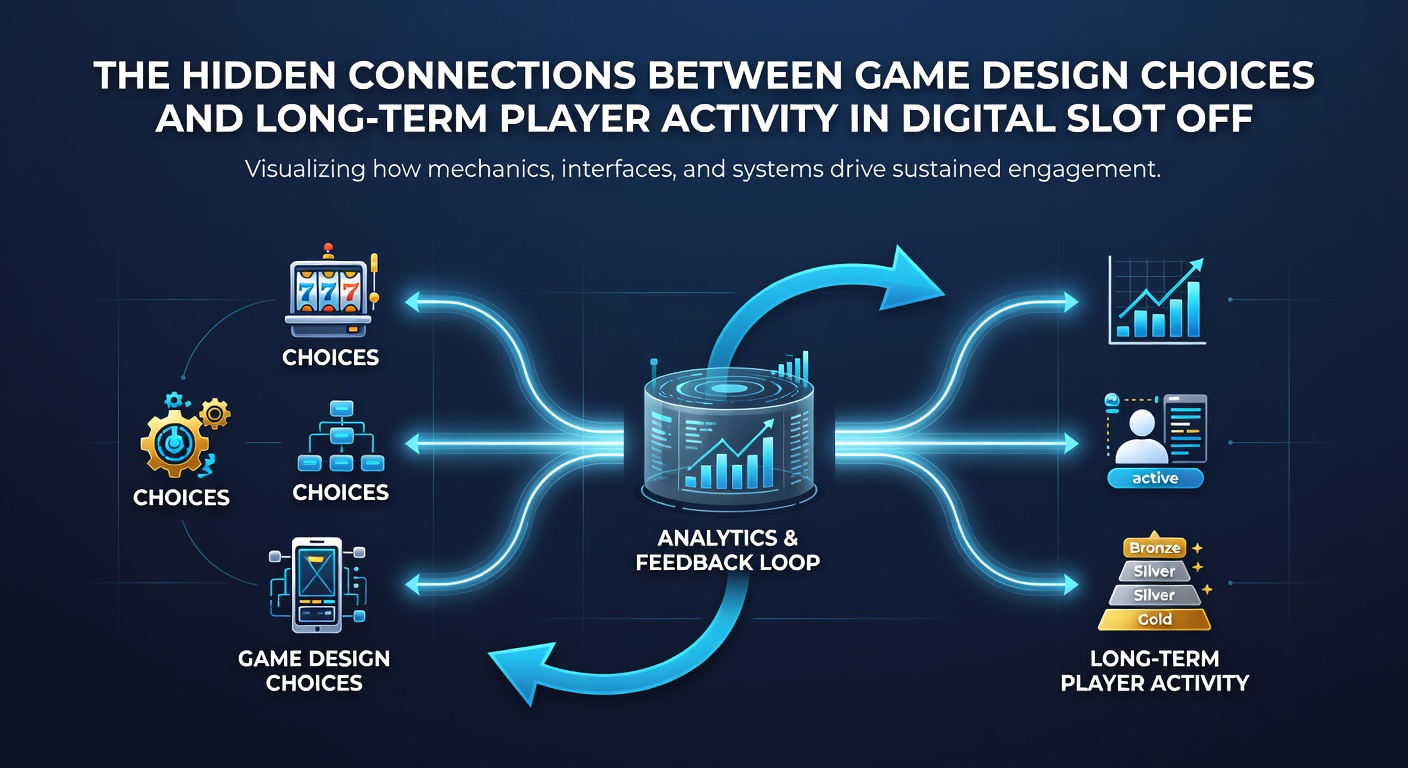
Sound design choices, including subtle variations in reel-stop cues and ambient layers that shift with time of day, influence perceived session quality and subsequent return decisions. Data collected from operators in Australian markets shows that titles employing dynamic audio scaling, where volume and complexity adjust based on session length, sustain engagement levels more effectively than static soundtracks. Players report that evolving soundscapes reduce monotony during extended periods of play, which in turn supports higher total hours across multiple weeks. Developers have begun testing procedural audio generation that responds to individual play history, and preliminary figures from Canadian platforms indicate these experiments correlate wth reduced churn rates among users active for more than three months.
Interface Ergonomics and Cross-Device Continuity
Navigation layouts that preserve core controls across desktop, tablet, and mobile versions reduce friction when users switch devices mid-session or between sessions. Consistent menu structures and saved preference profiles allow players to resume exactly where they left off, and telemetry from multi-platform providers demonstrates that seamless handoffs increase the proportion of accounts remaining active beyond the first year. In May 2026 several major studios rolled out unified account systems that sync visual settings and progress markers in real time, and industry reports note corresponding lifts in weekly active user counts. These continuity features operate independently of specific bonus structures yet still shape long-term behavioral patterns by lowering barriers to repeated access.
Personalization Through Play-History Analytics
Algorithms that analyze past session lengths and preferred visual themes to suggest tailored game variants create a feedback loop that reinforces continued participation. When recommendations reflect documented preferences rather than generic popularity rankings, players encounter familiar-feeling options that feel personally relevant. External analyses from the American Gaming Association have documented that personalized discovery modules increase the average number of distinct titles tried per account, which in turn correlates with extended overall platform tenure. The same reports emphasize that transparency about how suggestions are generated further strengthens trust and reduces the likelihood of users disengaging after initial exploration periods.
Conclusion
Collective evidence from regulatory disclosures, academic examinations, and provider telemetry demonstrates that numerous design decisions operating beneath the surface of individual spins accumulate into measurable effects on long-term player activity. Visual continuity, pacing control, progression markers, audio adaptation, device synchronization, and history-based personalization each contribute distinct threads to retention outcomes. As platforms continue refining these elements through 2026, the connections between architectural choices and sustained engagement remain central to understanding participation patterns across digital slot offerings.