Networked Prize Systems Across Gaming Operators Redefine Reward Mechanics in Licensed Mobile Environments
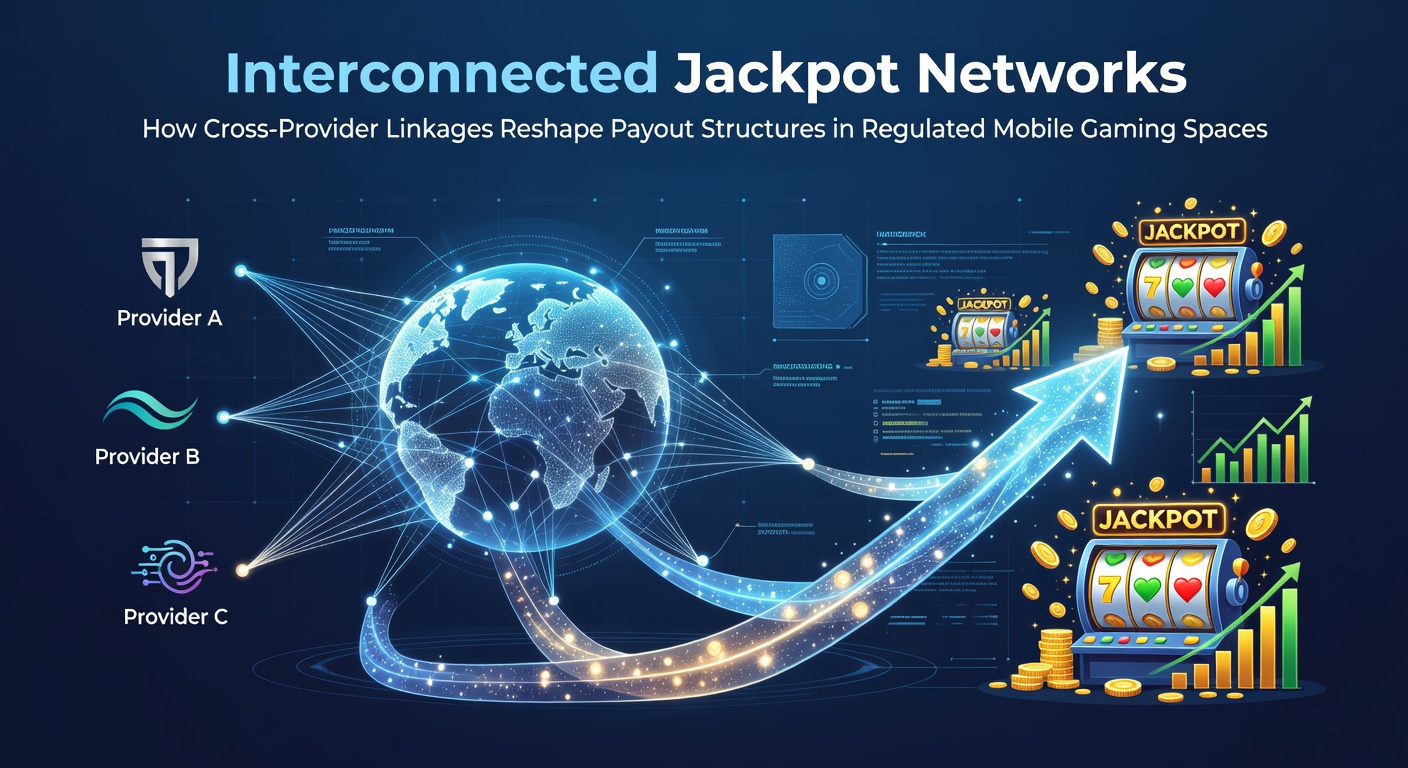
Providers in regulated mobile gaming markets have begun linking jackpot systems across different companies, and this development alters how prize pools accumulate and distribute. Data from industry reports shows that these connections allow smaller operators to participate in larger prize structures without building independent systems from scratch. According to analyses from the Nevada Gaming Control Board, such linkages create shared pools where contributions from multiple titles feed into common jackpots, which in turn affects the frequency and size of payouts across participating platforms.
Mechanics Behind Cross-Provider Connections
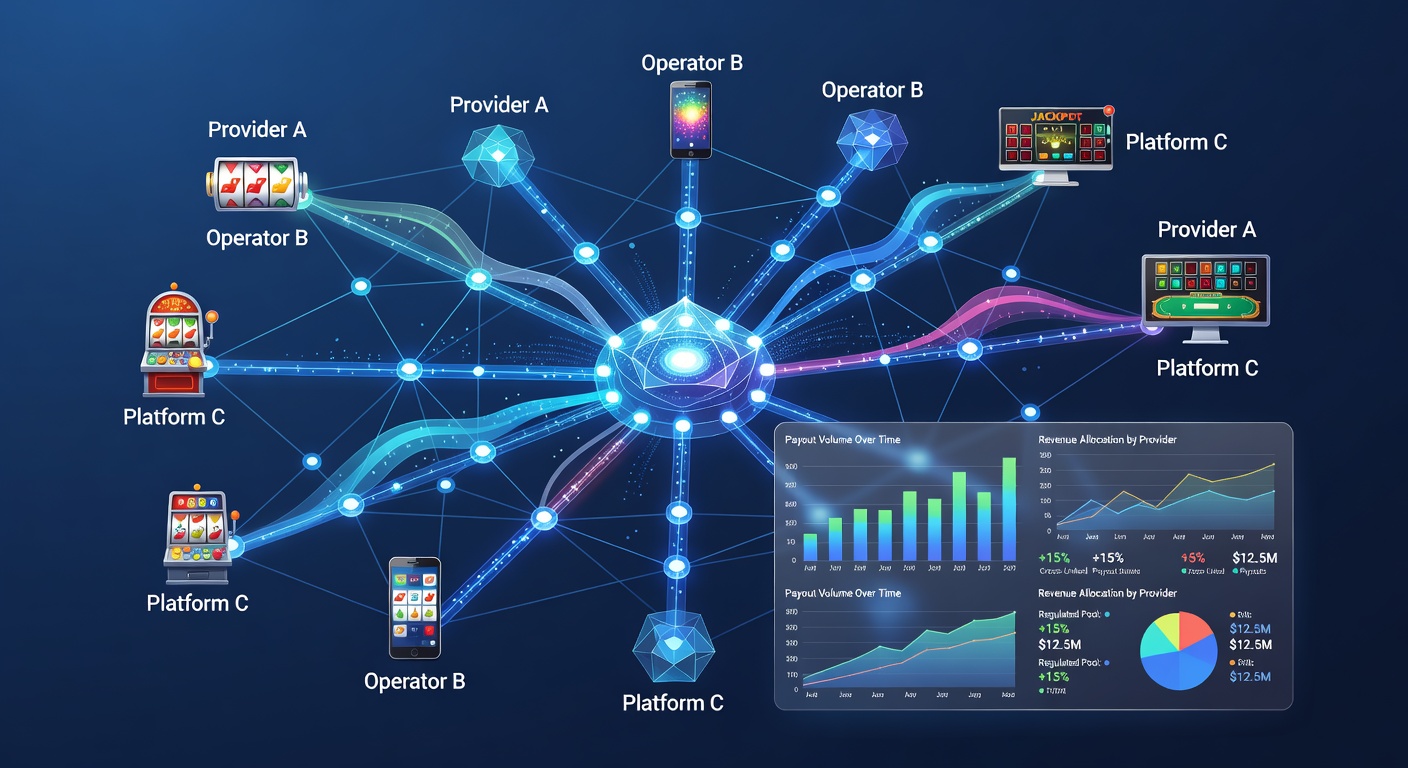
Operators establish these networks through technical agreements that synchronize random number generators and contribution rates from each game's revenue. When a player spins on one connected title, a percentage flows into the shared pool, and the system tracks eligibility across all linked games regardless of the original provider. Research from the University of Nevada's gaming studies department indicates that this synchronization maintains compliance with local rules while expanding the player base that contributes to each jackpot. The process uses standardized protocols so that mobile apps from different developers report activity to a central server without exposing proprietary game code.
Those who've examined the structure note that contribution percentages often range between 1% and 3% of each bet, though exact figures vary by jurisdiction and operator agreement. In May 2026 several North American platforms expanded their linkages to include new mobile titles released that month, which increased total pool sizes by measurable margins according to internal operator disclosures.
Effects on Payout Structures and RTP Calculations
Shared jackpot networks change how return-to-player percentages get allocated because part of the RTP now supports progressive elements visible across multiple providers. Base game RTP remains separate from the jackpot contribution, yet the overall player experience shifts when larger prizes become attainable through any linked title. Figures from the Australian Communications and Media Authority reveal that jurisdictions with established cross-provider systems report higher average jackpot hit rates compared to isolated progressives, even as individual game volatility stays consistent with regulatory limits.
Regulatory Oversight and Compliance Requirements
Regulators require each participating provider to demonstrate that linkages do not compromise game fairness or player fund security. Testing laboratories verify that the central server applies the same randomness standards to every connected game, and audit trails must document every contribution and payout. The Malta Gaming Authority has published guidelines specifying data encryption and real-time monitoring standards for such networks, ensuring that operators from different regions can collaborate while meeting local licensing conditions.
Observers note that these requirements add layers of oversight but also create standardized reporting that simplifies compliance across borders. In practice, providers submit monthly reconciliation reports that detail pool growth, winner distributions, and any adjustments to contribution rates.
Examples of Implementation in Mobile Markets
One documented case involves three European operators that connected their mobile jackpot titles in early 2025, resulting in a pool that reached seven-figure amounts within weeks according to public announcements. Players accessing any of the linked games saw the same progressive meter, and winners received payouts processed through their original platform. A similar arrangement appeared in Canadian provinces during spring 2026, where provincial regulators approved linkages between two major suppliers after reviewing security protocols and payout verification procedures.
Those who've studied retention data find that connected networks often correlate with longer session times because the visible prize growth encourages continued play across different titles. Yet base RTP percentages for the underlying games stay unchanged, as the jackpot contribution sits outside the standard return calculation.
Technical and Operational Considerations
Integration demands compatible APIs and synchronized clocks across servers to prevent timing discrepancies that could affect prize eligibility. Mobile platforms must handle variable network conditions while maintaining accurate contribution tracking, and operators invest in redundant systems to avoid interruptions in pool updates. Industry associations such as the European Gaming and Betting Association have issued technical briefs that outline best practices for maintaining these connections without introducing latency into the player experience.
What's significant is that smaller developers gain access to prize levels previously available only to large-scale operators, which broadens competition in the mobile segment. Larger providers benefit from increased pool contributions that accelerate jackpot growth and attract additional players.
Future Developments Expected in 2026
Additional linkages are scheduled for rollout throughout the remainder of 2026, with several jurisdictions reviewing applications for cross-border pool sharing. Research institutions continue to track how these networks influence overall player behavior and jackpot distribution patterns, and early data suggests measurable shifts in average payout sizes when participation expands. Regulatory bodies in multiple regions are updating their frameworks to address the growing complexity of multi-provider systems while preserving core standards for transparency and fairness.
Conclusion
Interconnected jackpot networks continue to expand within regulated mobile gaming spaces, reshaping how prize pools form and how operators structure their payout offerings. The technical and regulatory frameworks that support these connections ensure compliance while allowing broader participation across providers. As more platforms adopt these models in the months ahead, payout dynamics will reflect the combined activity of linked titles rather than isolated progressives, and available data indicates this trend will persist through the current year and beyond.