Player Behavior Unveiled: Insights from Mobile Slot Engagement Data
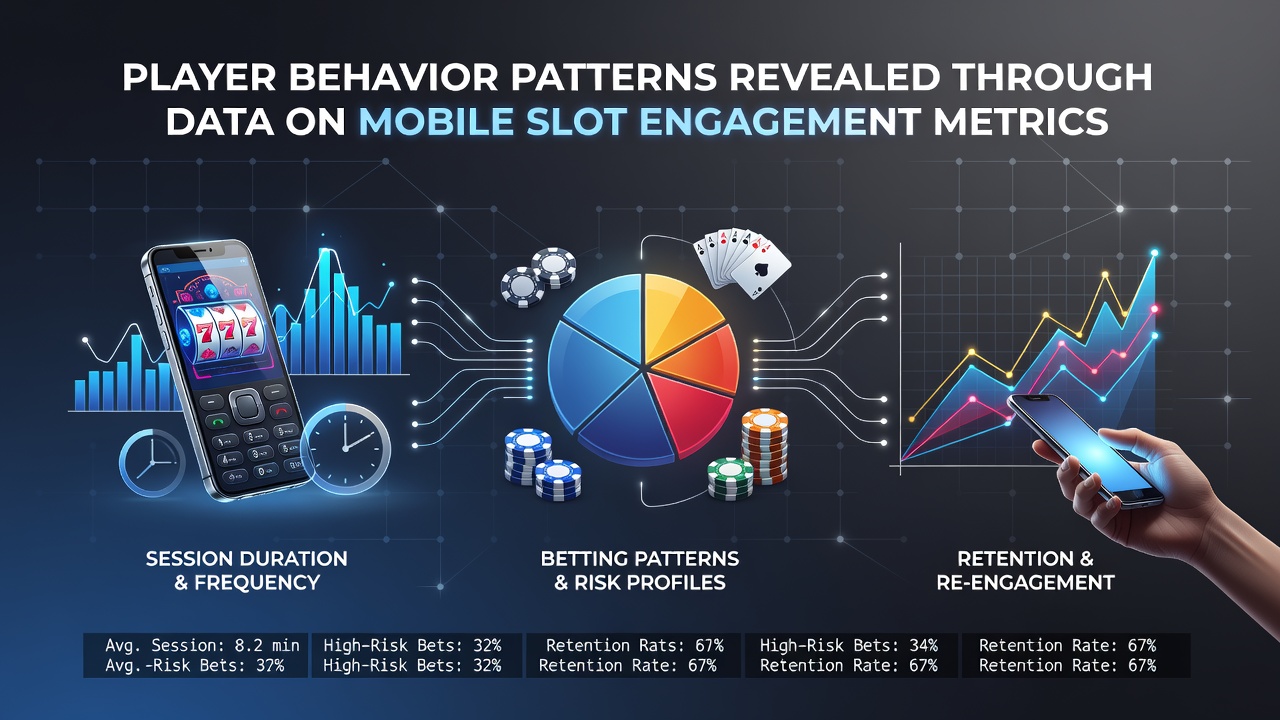
Data from mobile slot platforms continues to highlight distinct player behavior patterns that emerge when engagement metrics receive close examination and researchers track variables such as session duration, spin frequency, and stake adjustments over extended periods. Observers note that these patterns often cluster around specific times of day and device types, while figures from industry reports reveal consistent trends across different user groups. Studies compiled through 2026 demonstrate how mobile interfaces influence interaction styles compared with desktop versions, and analysts point to variations in play intensity that correlate with reward structures.
Core Metrics Driving the Analysis
Engagement data typically encompasses session length, average bets per minute, and return-to-player interaction rates, all of which combine to paint a clearer picture of how users navigate mobile slot environments. Research indicates that players on smartphones tend to favor shorter, more frequent sessions during commuting hours, whereas tablet users extend their time in evening windows, and these distinctions appear across aggregated datasets from multiple operators. Metrics also capture bonus trigger responses, showing that certain demographic segments react more readily to free spin notifications than others do.
Session Patterns and Timing Trends
Analysis of hourly activity logs shows peak engagement between 7 PM and 10 PM in many regions, with secondary spikes occurring during lunch breaks in urban markets, and data scientists attribute these rhythms to daily routines rather than random chance. One study revealed that mobile sessions average 12 minutes when initiated on weekdays yet stretch to 22 minutes on weekends, while stake escalation occurs more gradually in longer sessions. Patterns further suggest that users who start with minimum bets often maintain that level for the first five minutes before adjusting upward if early outcomes prove favorable.
Geographic and Demographic Variations
Figures compiled from North American platforms indicate higher mobile adoption rates among adults aged 25 to 34, whereas European datasets point to broader age distribution with notable participation from those over 45, and these differences influence how operators structure their mobile offerings. Australian regulatory summaries, for instance, document that mobile players in that market complete an average of 48 spins per session compared with 35 spins on other devices, according to Victorian Commission for Gambling and Liquor Regulation compilations. Researchers have observed similar regional distinctions in bonus feature preferences, with North American users engaging more frequently with progressive jackpot elements.
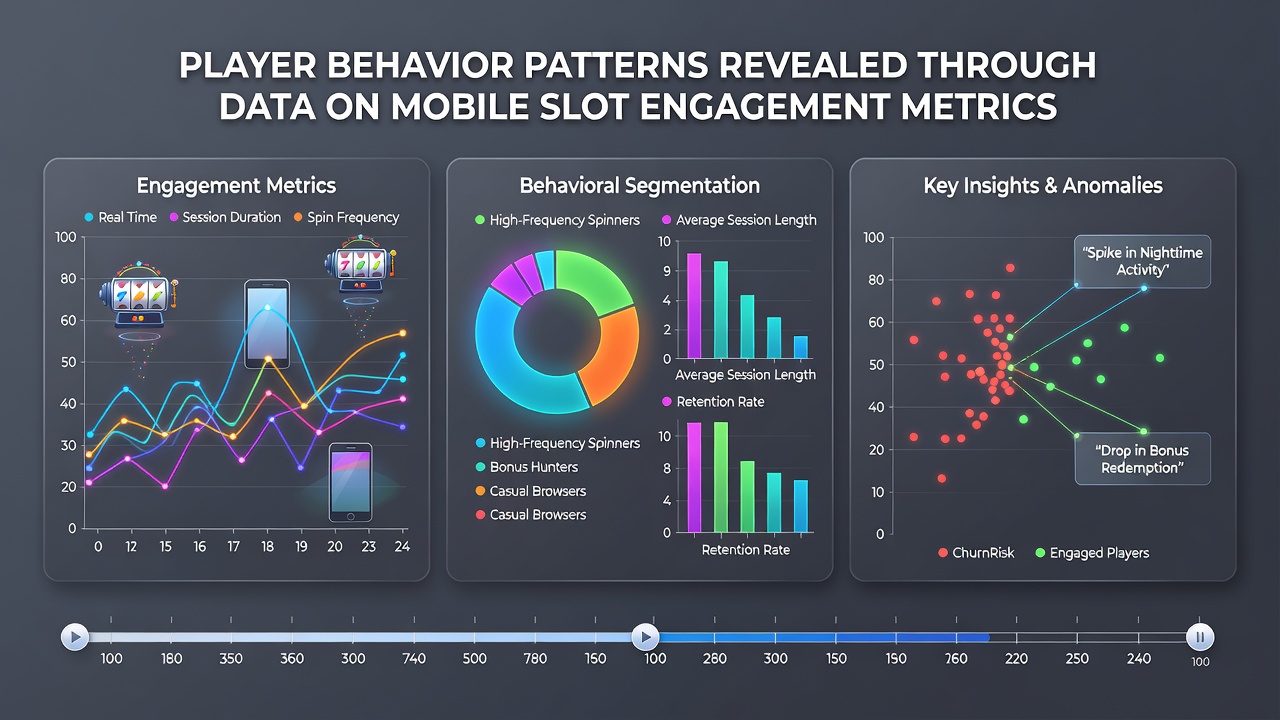
Demographic breakdowns further reveal that female players demonstrate steadier bet sizing across sessions, while male cohorts exhibit wider variance in stake changes, and these observations stem from large-scale telemetry gathered by platform providers. In June 2026 several cross-border comparisons underscored how regulatory environments shape engagement thresholds, particularly when device-specific limits apply.
Behavioral Clusters Identified in Recent Datasets
Cluster analysis applied to engagement logs identifies four primary player types based on interaction velocity and reward sensitivity, and these groupings help explain why certain features retain users longer than others. High-frequency spinners, for example, respond positively to rapid bonus cycles, whereas value-oriented participants linger on games with higher base return percentages even when volatility remains moderate. Data from academic reviews, including work published through the University of Nevada, Las Vegas gaming research division, confirms that mobile interfaces accelerate decision loops and thereby compress the time between initial deposit and first bonus trigger.
Device-Specific Influences on Play Style
Touchscreen mechanics encourage quicker spin initiation compared with mouse or keyboard inputs, and this shift contributes to elevated spin counts within equivalent time frames. Battery and connectivity considerations also factor into observed drop-off rates, with sessions ending abruptly during network transitions yet resuming rapidly once connectivity stabilizes. Those who study these metrics note that portrait orientation dominates mobile play, which in turn affects visual scanning patterns and feature discovery speed.
Implications for Platform Design and Reporting
Operators use these behavioral insights to calibrate feature placement and notification timing, while independent analysts track resulting changes in retention curves across successive software updates. Evidence suggests that transparent display of session statistics can moderate play intensity for certain user segments, although outcomes vary by game theme and reward cadence. Continued monitoring through mid-2026 shows steady refinement of these approaches as datasets grow more granular.
Conclusion
Mobile slot engagement metrics continue to supply detailed evidence of patterned behavior that spans timing preferences, demographic distinctions, and device-driven interaction styles. Researchers and platform teams alike rely on these signals to understand participation dynamics without relying on anecdotal reports, and the accumulation of such data through 2026 supports increasingly precise modeling of player journeys across global markets.