Provider Adjustments to Accumulator Features in Licensed Online Slot Markets Worldwide
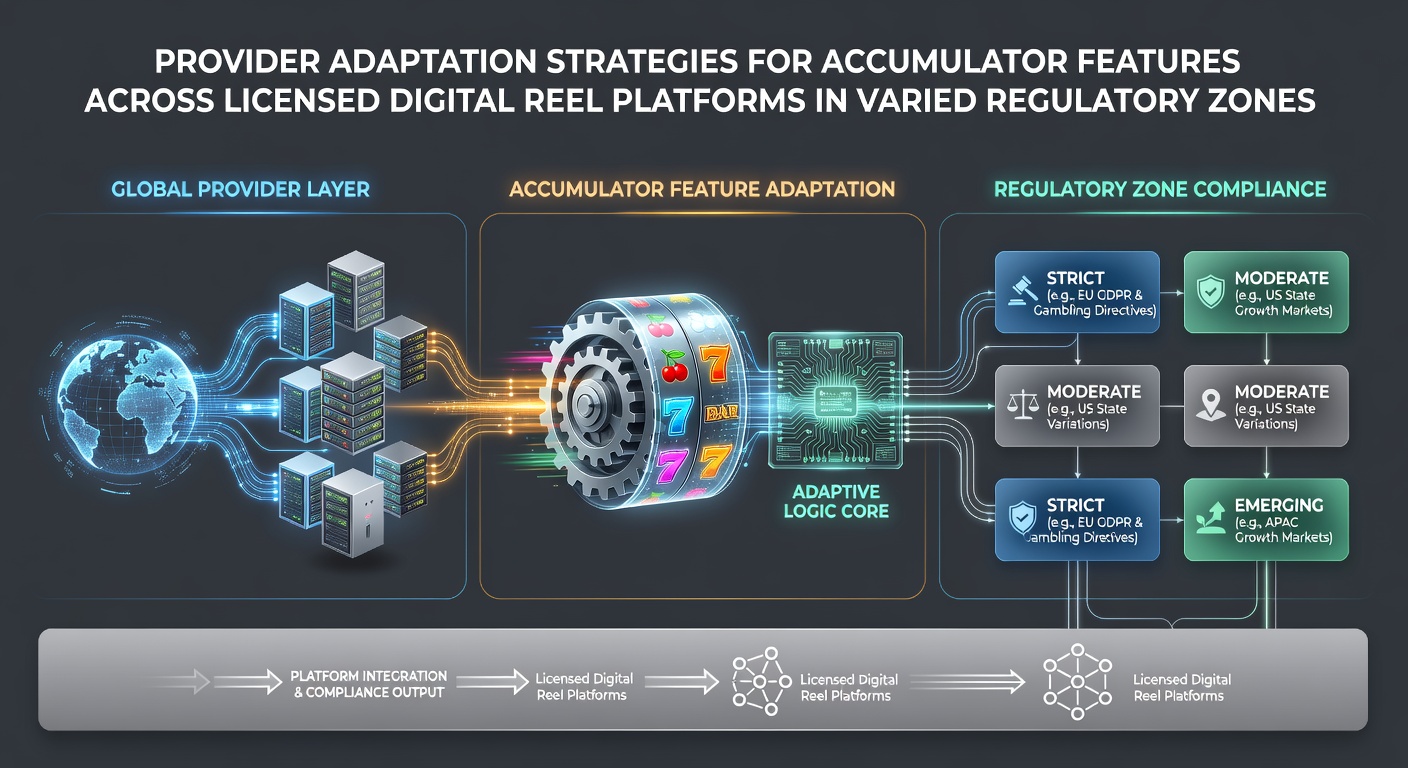
Slot providers face distinct requirements when rolling out accumulator features such as progressive meters and hold-and-win systems on licensed digital reel platforms, and these demands shift sharply depending on the regulatory zone in question. Data from industry reports shows providers routinely recalibrate contribution rates, trigger thresholds, and payout caps to align with local rules on game fairness and player protection. In practice this means one version of an accumulator mechanic might build toward a jackpot at a 2 percent contribution rate in one market while another version operates at 1 percent elsewhere to satisfy stricter volatility controls.
Regional Licensing Influences on Accumulator Mechanics
European jurisdictions often impose caps on jackpot growth speeds and require transparent display of contribution percentages, while certain North American state frameworks focus more on minimum RTP thresholds that indirectly affect how quickly accumulators can scale. Providers respond by maintaining separate code branches for each licensed platform, allowing the same base game to feed different accumulator pools without violating any single authority's parameters. Observers note that these parallel builds have become standard since mid-2025 as more operators secured multi-jurisdiction licenses.
Australian regulatory guidelines, for instance, emphasize responsible gaming prompts tied directly to accumulator progress, prompting developers to integrate session reminders that pause meter growth after set intervals. This stands in contrast to approaches seen in parts of Asia where providers adjust accumulator reset timers to match local preferences for shorter play cycles. The result is a patchwork of feature variants rather than a single universal implementation.
Technical Modifications Across Platforms
Developers achieve these adaptations through modular accumulator engines that isolate contribution logic from core reel mechanics, making it simpler to swap parameters without touching the underlying RNG. In June 2026 several major studios rolled out updated toolkits that let operators toggle accumulator visibility and funding sources based on player location data detected at login. Such systems reduce the need for full game resubmissions during regulatory reviews because only the accumulator module requires fresh certification.
Case examples include providers who lowered seed values for progressive accumulators in markets with tight prize-pool disclosure rules while keeping higher seeds active in zones that permit pooled contributions across multiple titles. These changes maintain overall RTP within approved bands yet create noticeable differences in how quickly players see meters climb during typical sessions.

Compliance Data and Industry Patterns
Figures released by the Malta Gaming Authority in early 2026 indicated that over 65 percent of newly certified slot titles incorporated configurable accumulator modules, up from 48 percent the previous year. Similar trends appear in reports from the New Jersey Division of Gaming Enforcement, where providers must document every accumulator funding source before platform approval. Industry associations such as the European Gaming and Betting Association have published guidance documents that outline best practices for separating accumulator pools by jurisdiction to avoid cross-border funding conflicts.
One documented approach involves routing accumulator contributions through jurisdiction-specific ledgers that operators reconcile monthly, ensuring each regulatory body sees only activity occurring under its oversight. This ledger method gained traction after academic research from the University of Nevada's gaming studies program highlighted inconsistencies in pooled jackpot reporting across borders. Providers who adopted the practice reported fewer audit queries and faster renewal cycles for their licenses.
Future Adjustments and Platform Integration
Looking ahead, providers continue to refine API connections between accumulator systems and operator back-ends so that real-time compliance checks can flag any deviation from zone-specific rules before meters update. These integrations allow automatic suspension of contributions if a player's location changes mid-session, a safeguard now required in several Canadian provincial frameworks. The technical overhead remains manageable because most accumulator logic sits in isolated microservices rather than monolithic game builds.
What's notable is how smaller providers have begun licensing these modular engines from larger studios instead of building their own, accelerating adoption across varied regulatory zones. Data indicates this outsourcing pattern helps emerging developers meet certification deadlines while still delivering accumulator features that feel native to each market's expectations.
Conclusion
Accumulator feature adaptations represent a growing area of specialization for slot providers operating across multiple licensed digital reel platforms. Through modular design, jurisdiction-specific ledgers, and automated compliance layers, developers maintain consistent player experiences while satisfying diverse regulatory demands. Continued evolution of these strategies will likely track new licensing agreements and updated technical standards emerging in 2026 and beyond, with sources such as the Nevada Gaming Control Board and the European Gaming and Betting Association providing ongoing reference points for industry alignment.