The Roots of Success: Provider Histories and Their Mark on Mobile Free Spin Leaderboards
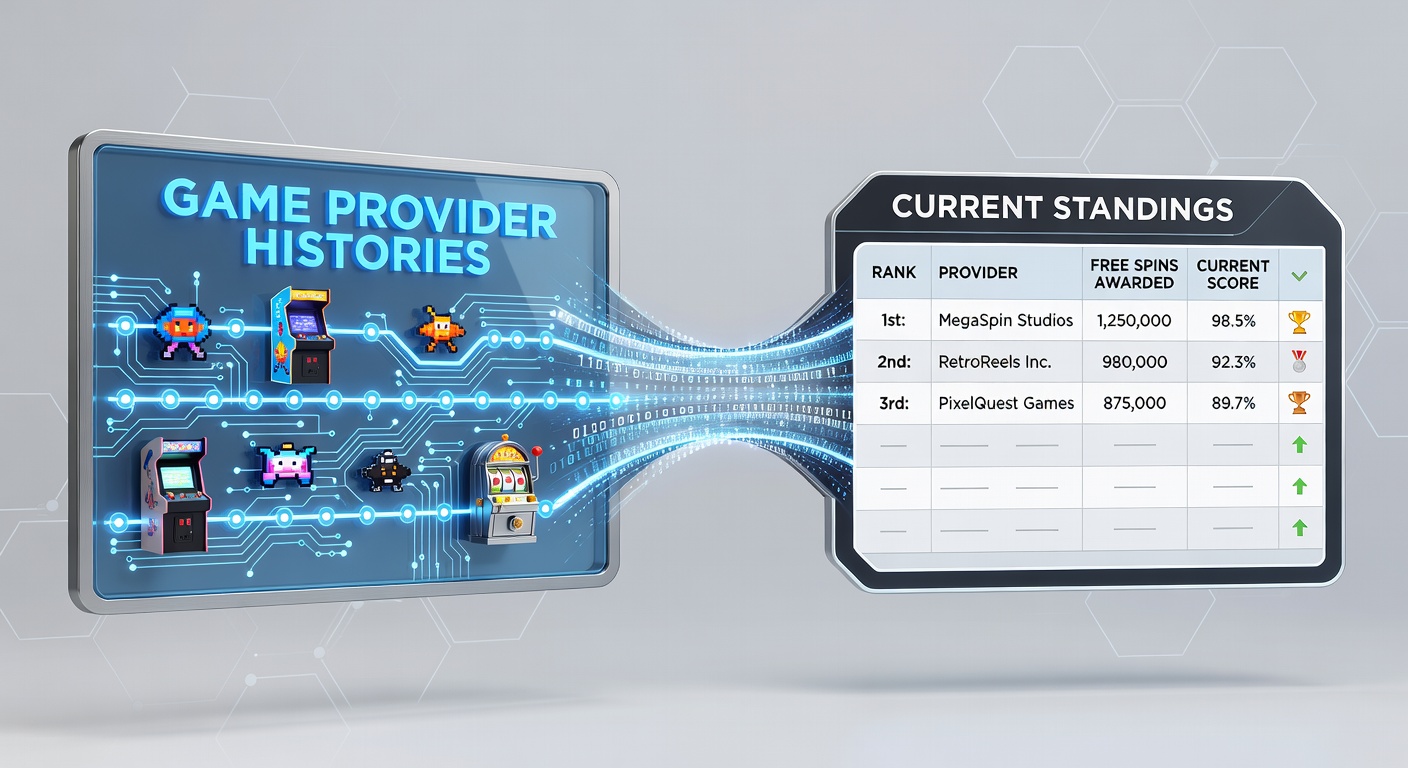
Game providers have built their reputations over decades through incremental advances in free spin mechanics, and these foundations continue to influence where they rank in mobile competitions during May 2026. Early experiments with bonus structures laid groundwork that later translated into consistent leaderboard positions, as developers refined trigger rates and reel interactions across handheld platforms.
NetEnt established its early presence in the late 1990s with straightforward free spin implementations that emphasized accessibility on emerging digital formats. Those initial designs evolved into more layered systems by the mid-2000s, incorporating expanding wilds and retrigger options that still appear in updated mobile versions. Observers note how this progression correlates with sustained top placements in current free spin events, where legacy codebases receive regular optimizations for touch interfaces.
Early Milestones and Feature Development
Play'n GO entered the market around 2005 with titles that introduced variable free spin multipliers tied to player choices during base gameplay. This approach differed from fixed structures used by predecessors, creating pathways for higher engagement that carried forward into later releases. Data shows these choices helped secure steady mid-tier standings in mobile competitions, particularly as operators migrated older libraries to responsive formats without altering core probabilities.
Pragmatic Play followed a parallel path starting in 2015, focusing on mobile-first free spin modes that integrated scatter pays with progressive elements. Their history of rapid iteration on handheld compatibility positioned several games near the upper ranks of May 2026 leaderboards, where competition metrics track total free spin activations across regions. Researchers at the University of Nevada's International Gaming Institute have documented similar patterns in how provider timelines align with performance consistency.
Current Standings and Historical Correlations
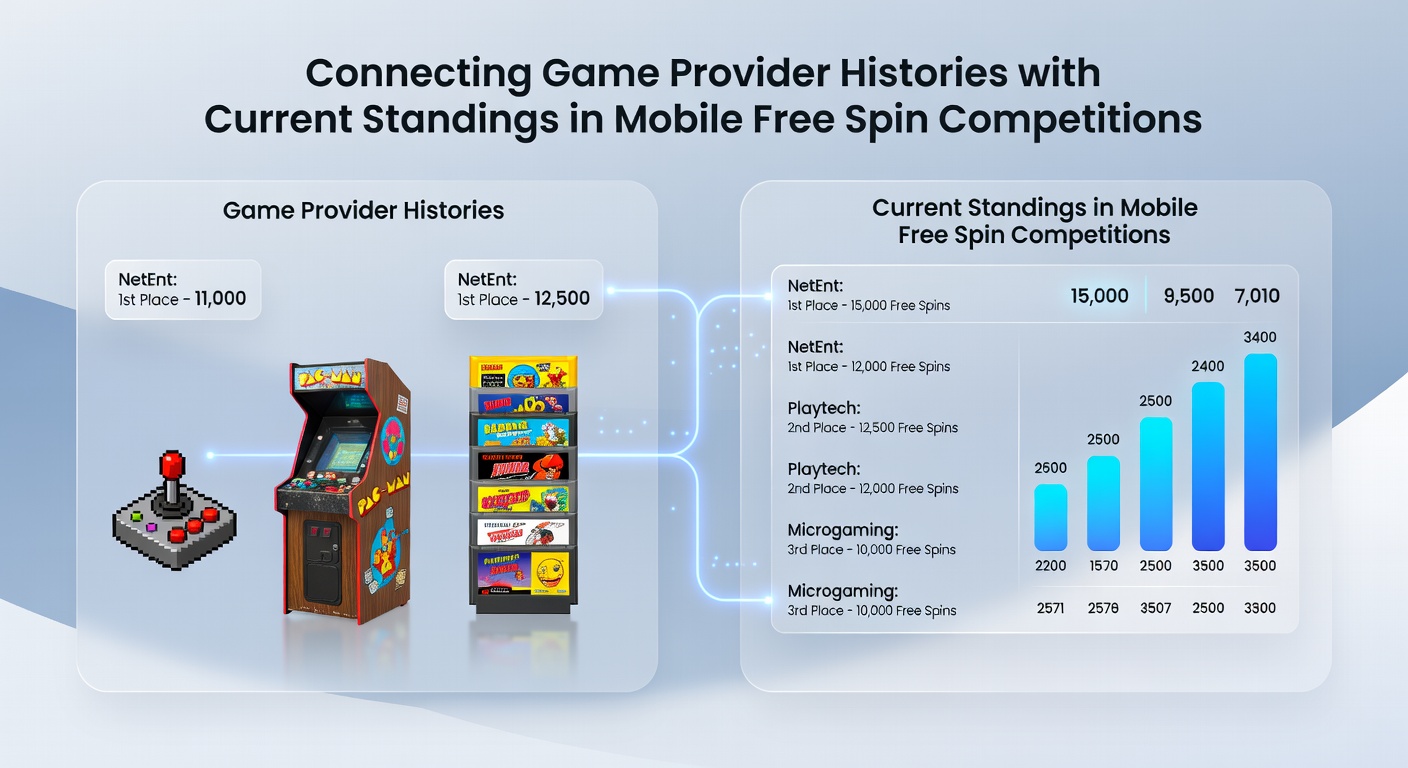
Leaderboards for mobile free spin competitions in May 2026 reflect these accumulated developments, with providers like Playtech and Yggdrasil occupying prominent spots due to decades of refinement in bonus round pacing. Playtech's long-standing presence since the 1990s includes early adoption of multi-stage free spins that remain functional on current devices, contributing to elevated activation counts in aggregated reports. Yggdrasil's shorter but intense trajectory since 2013 emphasizes visual expansions during spins, a trait that boosts retention scores in recent tournament data.
Smaller or newer entrants often draw from these established models while introducing platform-specific tweaks, yet their standings frequently stabilize only after several update cycles. Those who've tracked industry shifts point to how prior experience with regulatory compliance across European and North American markets accelerates adaptation to fresh mobile standards. Figures from provincial oversight bodies like Ontario's Alcohol and Gaming Commission indicate that providers with longer operational histories maintain steadier free spin volumes in licensed environments.
Mechanics Carried Forward
Free spin competitions measure success through metrics such as average spins per session and completion rates, areas where historical design decisions exert direct effects. Providers that prioritized seamless transitions between base games and bonus rounds in earlier desktop versions encounter fewer friction points during mobile porting, leading to higher completion percentages. This continuity appears in aggregated standings where veterans outperform relative newcomers lacking comparable refinement periods.
Case examples include titles that originated with basic retrigger logic in the 2010s and later received layered additions like symbol upgrades, preserving core appeal while boosting current competition viability. Experts have observed that these incremental builds prevent the volatility spikes sometimes seen in entirely new frameworks, allowing more predictable positioning throughout seasonal events.
Conclusion
Provider histories supply the structural backbone for today's mobile free spin competition outcomes, as evidenced by consistent patterns linking early innovations to May 2026 rankings. Accumulated refinements in mechanics and platform adaptation continue to determine which names occupy leading positions, with data underscoring the value of long-term development continuity over isolated releases.